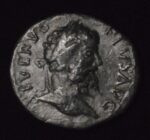
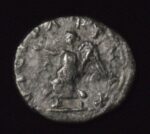
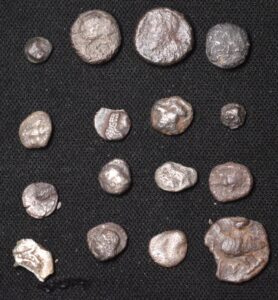
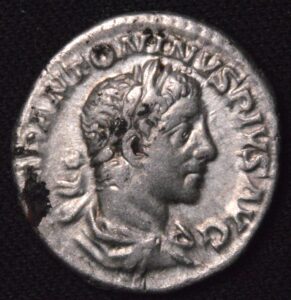
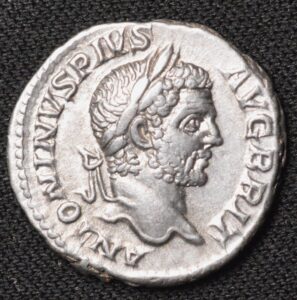
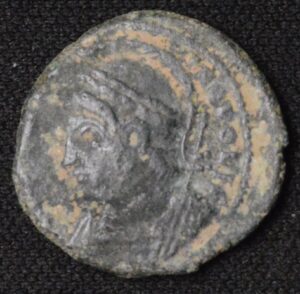
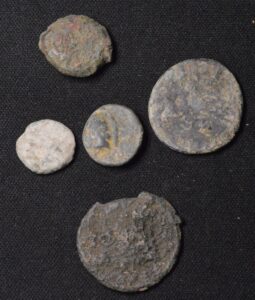
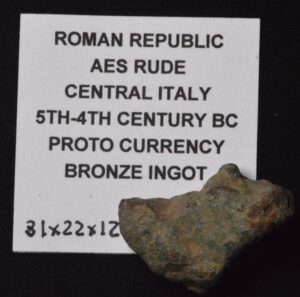
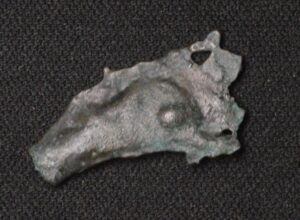
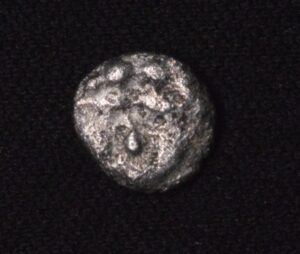
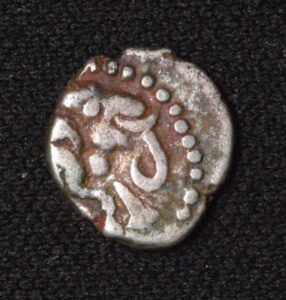
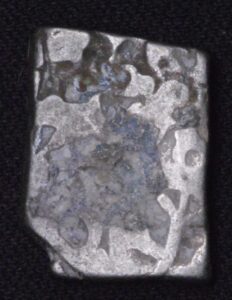
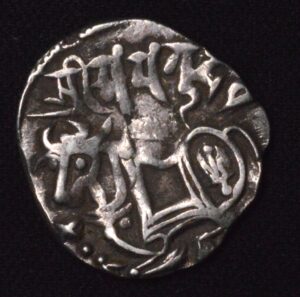
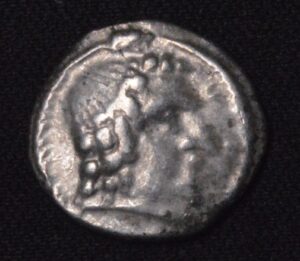
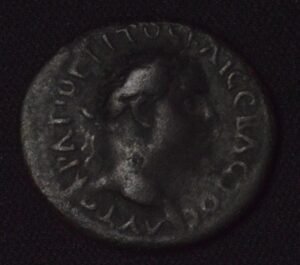
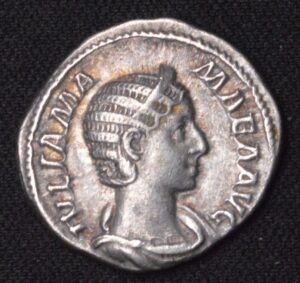
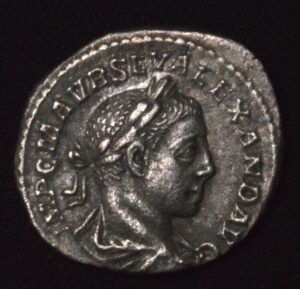
A rare barbarous Roman silver denarius coin represents a fascinating and complex aspect of ancient numismatics. These coins, often produced in the later Roman Empire or in regions influenced by Roman culture, are characterized by their irregular strikes, crude craftsmanship, and sometimes questionable silver content. Despite their barbarous appearance, they hold significant historical interest as they reflect the economic and political turmoil of their time, including issues of currency debasement and counterfeit production. Collectors value these coins for their uniqueness and the glimpse they offer into the less refined side of Roman coinage.
Contemporary counterfeit versions of barbarous Roman denarii further complicate the numismatic landscape. These counterfeits, produced during the Roman period or in later centuries, often mimic the crude style of authentic barbarous coins but can vary widely in quality. Some are simple forgeries aimed at deceiving collectors, while others were produced to flood the market, devaluing genuine specimens. Recognizing these counterfeits requires careful examination of weight, metal composition, and strike detail, as well as an understanding of authentic coinage characteristics. Counterfeit coins can sometimes be mistaken for rare or valuable pieces, making expert appraisal crucial.
The existence of counterfeit barbarous denarii highlights the economic challenges faced by the Roman Empire, including inflation, debasement, and widespread coin forgery. These coins often circulated alongside official currency, further complicating trade and commerce. For modern collectors, distinguishing between authentic barbarous coins and contemporary counterfeits is essential to preserving the integrity of their collections. Authentication by experienced numismatists or through scientific analysis ensures that investment and study remain accurate and meaningful.
Despite their questionable origins, counterfeit and barbarous Roman denarii offer insight into the socio-economic conditions of the late Roman period. They reveal how currency was manipulated and how local authorities or rogue mints attempted to produce coinage with limited resources. These coins, whether genuine or counterfeit, serve as artifacts that tell stories of economic struggle, adaptation, and the survival of Roman monetary traditions in turbulent times. They continue to intrigue collectors and historians interested in the less polished aspects of ancient currency.
In summary, rare barbarous Roman silver denarius coins and their contemporary counterfeits occupy a unique niche in numismatics. While their crude appearance and dubious authenticity pose challenges, they remain valuable for understanding Roman history and the complexities of ancient coin production. Authenticity verification is vital for collectors, and these coins serve as a testament to the economic realities and ingenuity of the Roman world. Whether appreciated for their historical significance or their rarity, they are a captivating subject for numismatic study and collection.