$800.00

1 in stock

Description

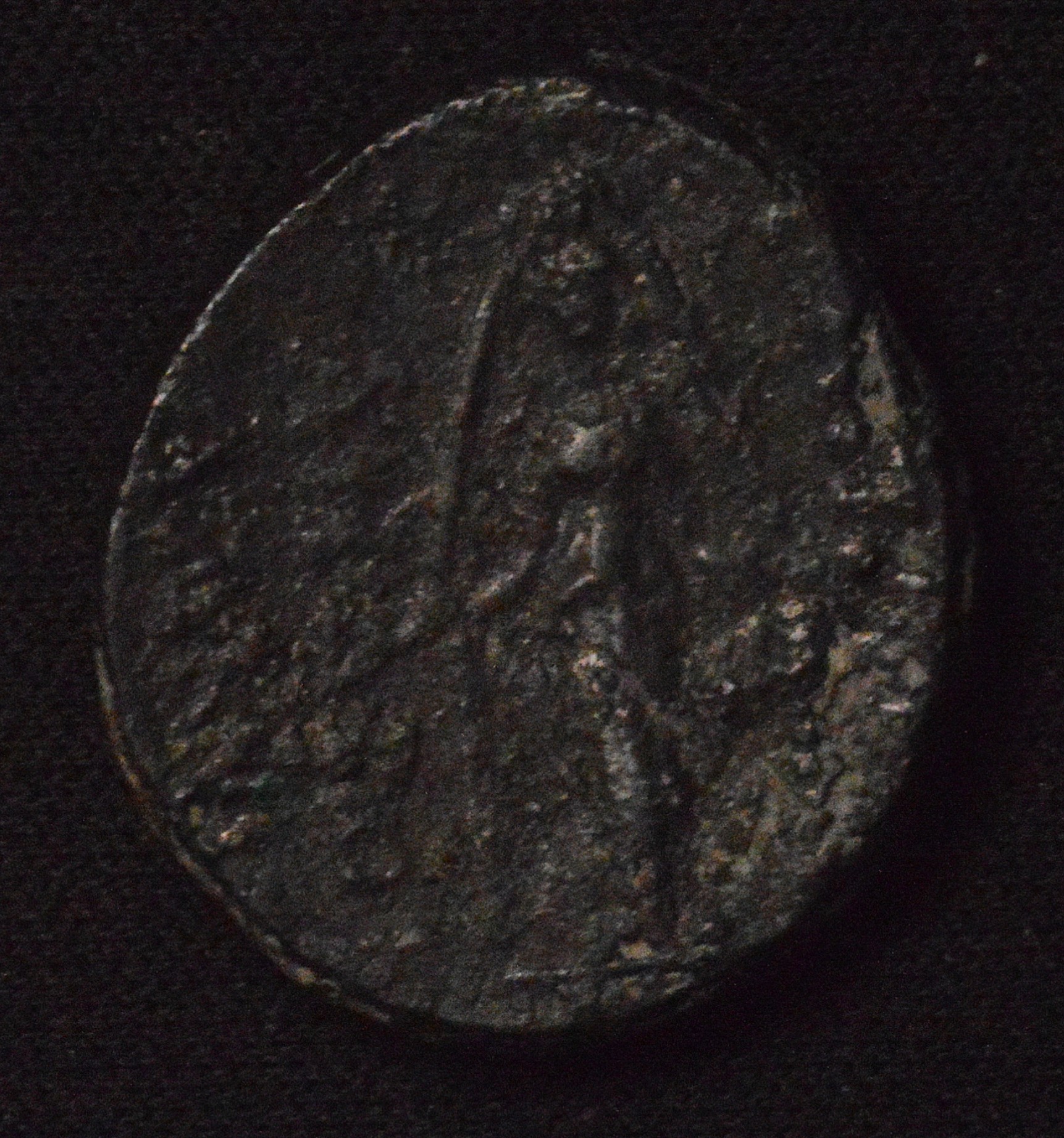
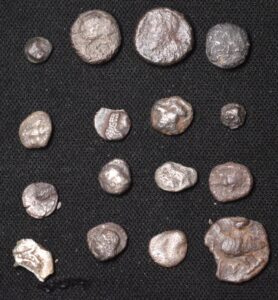
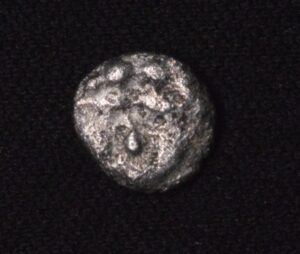
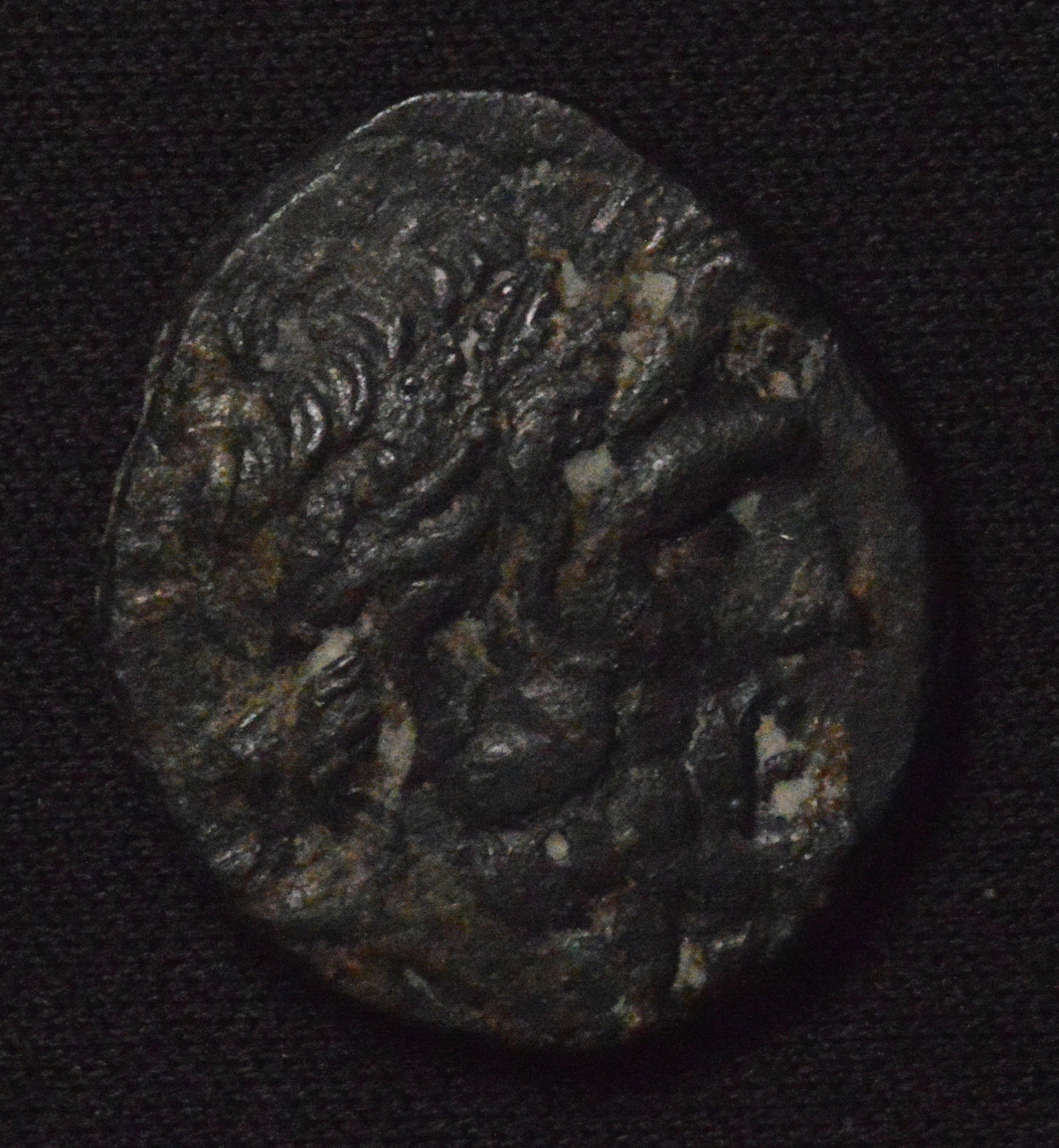
Coins from Phrygia Apameia from the 1st century BC featuring Andronikos and Alkion as magistrates are significant for their historical and numismatic value. These coins often depict the local governance and prominent figures of the city, providing insight into the political landscape of the time. The presence of magistrate names on coinage was a common practice in the Hellenistic period, serving both as a marker of official authority and as a way to promote local leadership. The coins from this era may also reflect the city’s allegiance to larger Hellenistic kingdoms or the emerging Roman influence, depending on the specific date and context.

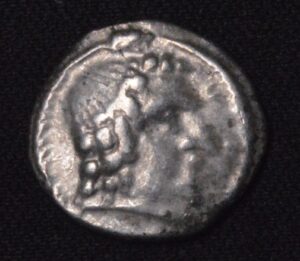
One of the key features of these coins is the depiction of Zeus, the chief deity in Greek mythology, symbolizing divine authority and protection. Zeus was frequently represented on city coinage as a figure of supreme power, often shown with a thunderbolt or seated on a throne. His image served to legitimize the authority of the city’s rulers and magistrates, emphasizing divine approval of their governance. The portrayal of Zeus on Apameia’s coins underscores the city’s religious devotion and cultural identity rooted in Greek traditions.

The coins typically display Greek inscriptions alongside the imagery, identifying the magistrates Andronikos and Alkion, which helps date and authenticate the coinage. The features of these coins include fine craftsmanship, with detailed depictions of Zeus, often accompanied by symbols such as the eagle, scepter, or other divine attributes. The reverse side may also include symbols of local significance, combining Greek religious iconography with regional identity. This blend of symbols highlights the syncretic nature of Hellenistic city-states, where local and pan-Hellenic elements merged.

The role of magistrates like Andronikos and Alkion was crucial in the civic and religious life of Apameia. Their names on coinage served as a form of official endorsement and recognition of their authority. The imagery of Zeus reinforced their legitimacy by associating their leadership with divine favor and power. These coins not only functioned as currency but also as a means of communicating political messages and fostering civic pride among the inhabitants.

Today, these coins are valuable for understanding the political, religious, and cultural dynamics of Apameia in the 1st century BC. They exemplify the integration of Greek religious symbolism with local governance and highlight the importance of divine imagery in asserting authority. Collectors and historians study these coins to gain deeper insights into the city’s history, its leadership, and its place within the broader Hellenistic world. The depiction of Zeus and the magistrates’ names make these coins a fascinating window into the ancient city’s civic identity and religious devotion.

Coins from Phrygia Apameia from the 1st century BC featuring Andronikos and Alkion as magistrates are significant for their historical and numismatic value. These coins often depict the local governance and prominent figures of the city, providing insight into the political landscape of the time. The presence of magistrate names on coinage was a common practice in the Hellenistic period, serving both as a marker of official authority and as a way to promote local leadership. The coins from this era may also reflect the city’s allegiance to larger Hellenistic kingdoms or the emerging Roman influence, depending on the specific date and context. One of the key features of these coins is the depiction of Zeus, the chief deity in Greek mythology, symbolizing divine authority and protection. Zeus was frequently represented on city coinage as a figure of supreme power, often shown with a thunderbolt or seated on a throne. His image served to legitimize the authority of the city’s rulers and magistrates, emphasizing divine approval of their governance. The portrayal of Zeus on Apameia’s coins underscores the city’s religious devotion and cultural identity rooted in Greek traditions. The coins typically display Greek inscriptions alongside the imagery, identifying the magistrates Andronikos and Alkion, which helps date and authenticate the coinage. The features of these coins include fine craftsmanship, with detailed depictions of Zeus, often accompanied by symbols such as the eagle, scepter, or other divine attributes. The reverse side may also include symbols of local significance, combining Greek religious iconography with regional identity. This blend of symbols highlights the syncretic nature of Hellenistic city-states, where local and pan-Hellenic elements merged. The role of magistrates like Andronikos and Alkion was crucial in the civic and religious life of Apameia. Their names on coinage served as a form of official endorsement and recognition of their authority. The imagery of Zeus reinforced their legitimacy by associating their leadership with divine favor and power. These coins not only functioned as currency but also as a means of communicating political messages and fostering civic pride among the inhabitants. Today, these coins are valuable for understanding the political, religious, and cultural dynamics of Apameia in the 1st century BC. They exemplify the integration of Greek religious symbolism with local governance and highlight the importance of divine imagery in asserting authority. Collectors and historians study these coins to gain deeper insights into the city’s history, its leadership, and its place within the broader Hellenistic world. The depiction of Zeus and the magistrates’ names make these coins a fascinating window into the ancient city’s civic identity and religious devotion.
CUSTOMER FEEDBACK

Set your categories menu in Header builder -> Mobile -> Mobile menu element -> Show/Hide -> Choose menu
Create your first navigation menu here
Shopping cart
Start typing to see posts you are looking for.

OFFER A PRICE

Send Your Offer Below! Scroll the photo right to left for a closer look.

Phrygia Apameia 1st BC Andronikos and Alkion Magistrate Features Zeus