$470.00

1 in stock

Description

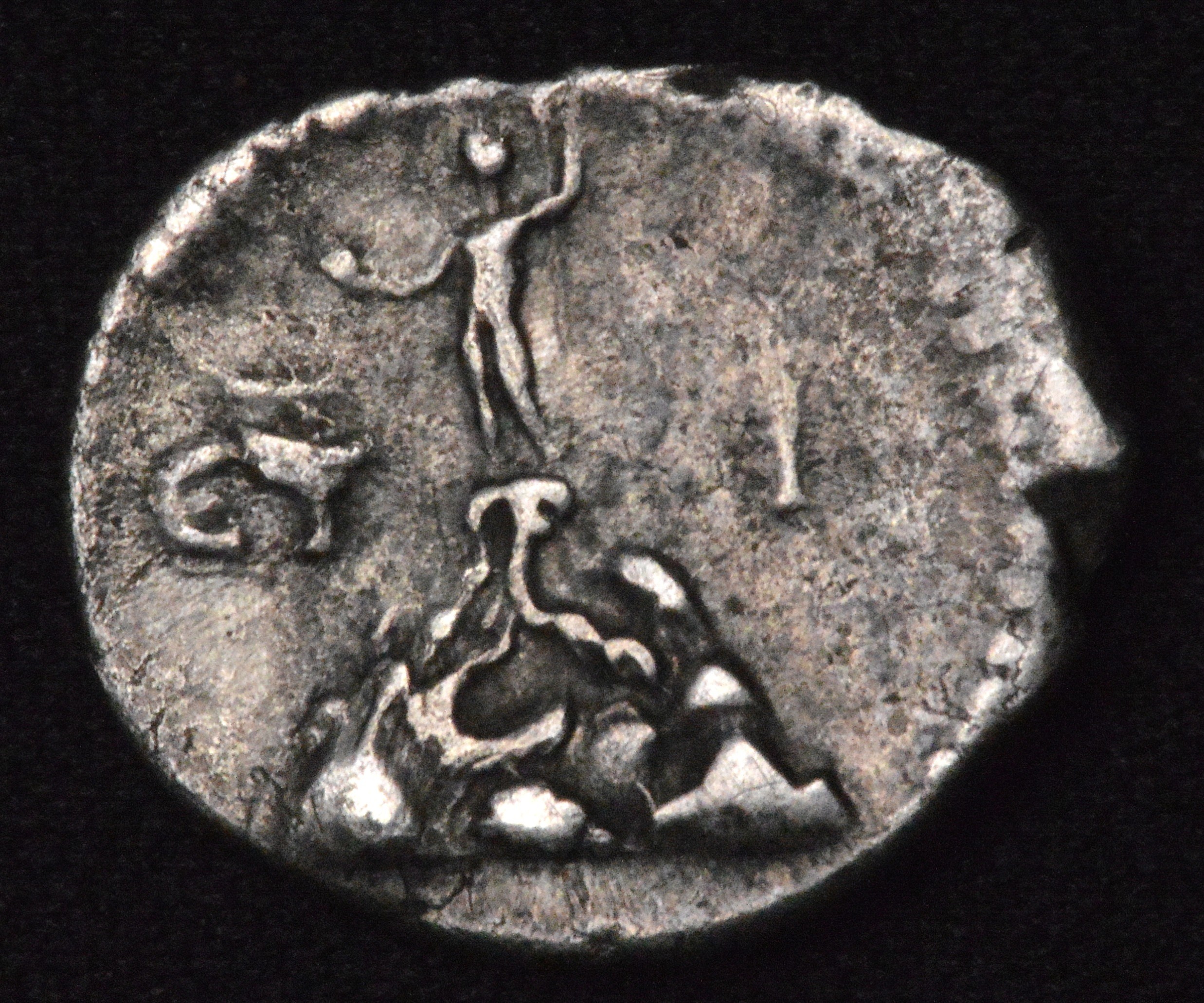
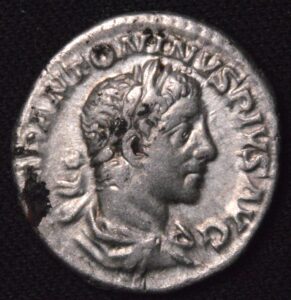
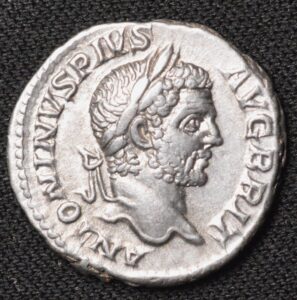
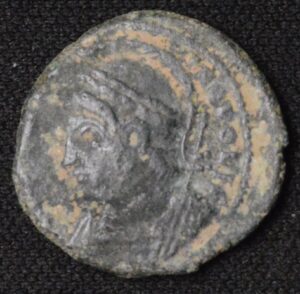
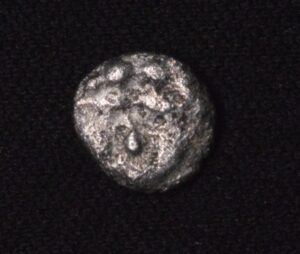
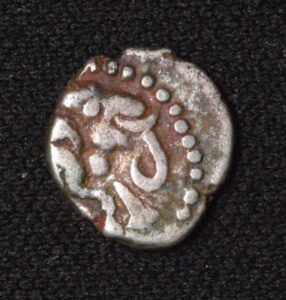
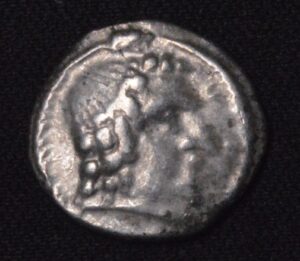
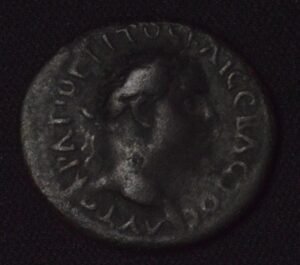
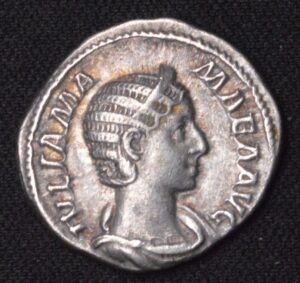
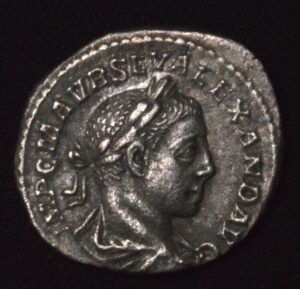
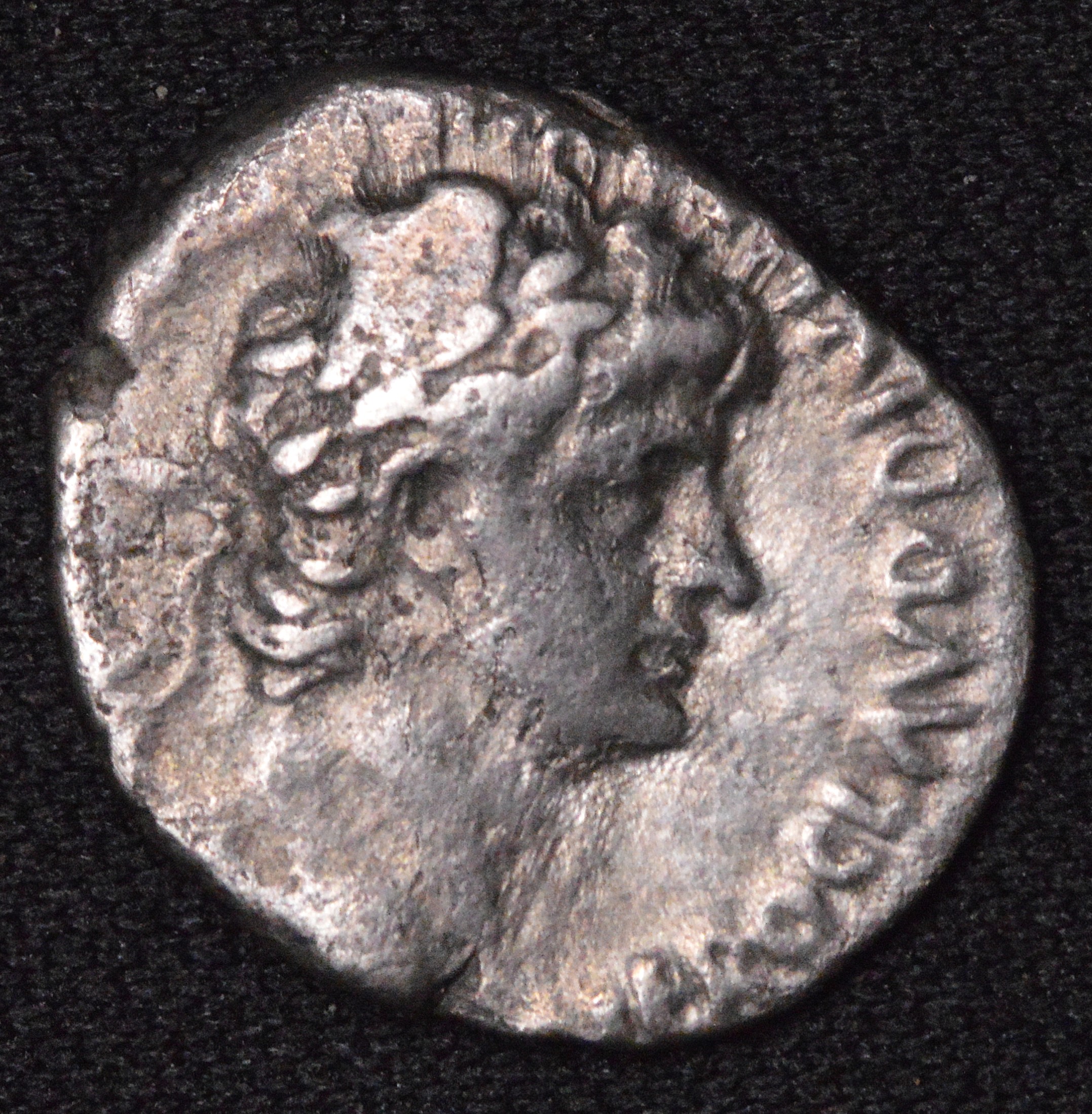
The Nero Hemidrachm from the Roman provincial coinage, particularly from Caesarea in Cappadocia, is a fascinating artifact that reflects the blend of local and imperial influences during Nero’s reign. These coins, often made of bronze or similar alloys, feature a distinctive style that combines Roman iconography with regional elements. The Nero Hemidrachm typically bears the portrait of Emperor Nero on one side, showcasing the imperial bust with inscriptions that identify him and his titles. On the reverse, you might find images of local deities or symbols that highlight the city’s unique cultural identity within the Roman Empire.

Caesarea in Cappadocia was an important provincial city, and its coinage serves as a valuable record of its political and economic history. The issuance of Nero Hemidrachms reflects the city’s integration into the broader imperial monetary system, while also emphasizing local allegiance and identity. The coins were used in everyday transactions, serving as a means of facilitating commerce and asserting imperial authority. Their circulation provides insight into the economic conditions of the region during Nero’s reign, which lasted from AD 54 to AD 68.

The design elements of these coins are notable for their craftsmanship and symbolic imagery. The portrait of Nero is often rendered with a realistic style, emphasizing imperial grandeur. The reverse images might include symbols such as coins, deities, or local emblems, which symbolize prosperity, divine protection, or civic pride. Collectors and historians value these coins not only for their artistic qualities but also for what they reveal about regional governance and cultural syncretism within the Roman Empire.

From a numismatic perspective, Nero Hemidrachms from Caesarea are highly sought after due to their historical significance and relative rarity. They often appear in collections focused on provincial coinage or Roman imperial history. The condition of these coins—such as clarity of the inscriptions and the preservation of the imagery—greatly influences their value. As such, well-preserved examples can fetch considerable interest among collectors, historians, and museums.

In conclusion, the Nero Hemidrachm from Caesarea on Mount Argaeus stands as a testament to the complex cultural and political landscape of Roman provincial cities. These coins encapsulate a moment in time when local identity was expressed through imperial coinage, combining Roman authority with regional symbolism. Their study offers invaluable insights into the economic history of ancient Cappadocia and the broader Roman world, making them prized artifacts for numismatists and historians alike.

The Nero Hemidrachm from the Roman provincial coinage, particularly from Caesarea in Cappadocia, is a fascinating artifact that reflects the blend of local and imperial influences during Nero’s reign. These coins, often made of bronze or similar alloys, feature a distinctive style that combines Roman iconography with regional elements. The Nero Hemidrachm typically bears the portrait of Emperor Nero on one side, showcasing the imperial bust with inscriptions that identify him and his titles. On the reverse, you might find images of local deities or symbols that highlight the city’s unique cultural identity within the Roman Empire. Caesarea in Cappadocia was an important provincial city, and its coinage serves as a valuable record of its political and economic history. The issuance of Nero Hemidrachms reflects the city’s integration into the broader imperial monetary system, while also emphasizing local allegiance and identity. The coins were used in everyday transactions, serving as a means of facilitating commerce and asserting imperial authority. Their circulation provides insight into the economic conditions of the region during Nero’s reign, which lasted from AD 54 to AD 68. The design elements of these coins are notable for their craftsmanship and symbolic imagery. The portrait of Nero is often rendered with a realistic style, emphasizing imperial grandeur. The reverse images might include symbols such as coins, deities, or local emblems, which symbolize prosperity, divine protection, or civic pride. Collectors and historians value these coins not only for their artistic qualities but also for what they reveal about regional governance and cultural syncretism within the Roman Empire. From a numismatic perspective, Nero Hemidrachms from Caesarea are highly sought after due to their historical significance and relative rarity. They often appear in collections focused on provincial coinage or Roman imperial history. The condition of these coins—such as clarity of the inscriptions and the preservation of the imagery—greatly influences their value. As such, well-preserved examples can fetch considerable interest among collectors, historians, and museums. In conclusion, the Nero Hemidrachm from Caesarea on Mount Argaeus stands as a testament to the complex cultural and political landscape of Roman provincial cities. These coins encapsulate a moment in time when local identity was expressed through imperial coinage, combining Roman authority with regional symbolism. Their study offers invaluable insights into the economic history of ancient Cappadocia and the broader Roman world, making them prized artifacts for numismatists and historians alike.
CUSTOMER FEEDBACK

Set your categories menu in Header builder -> Mobile -> Mobile menu element -> Show/Hide -> Choose menu
Create your first navigation menu here
Shopping cart
Start typing to see posts you are looking for.

OFFER A PRICE

Send Your Offer Below! Scroll the photo right to left for a closer look.

Nero Hemidrachm Roman Provincial Caesarea Mt Argaeus