$900.00

1 in stock

Description

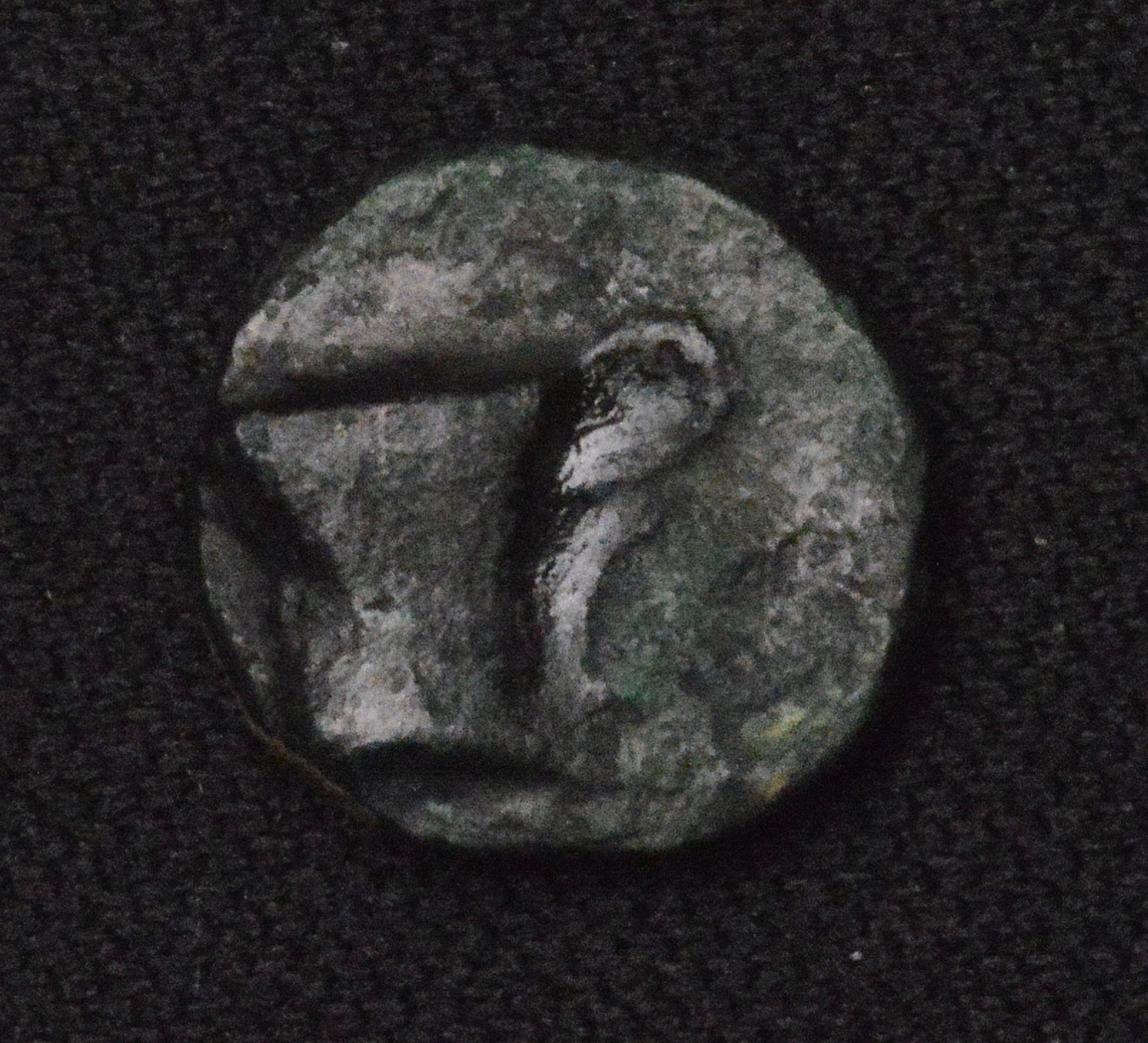
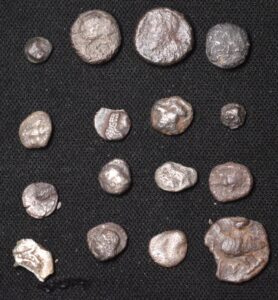
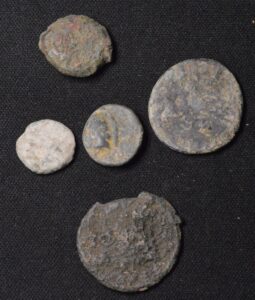
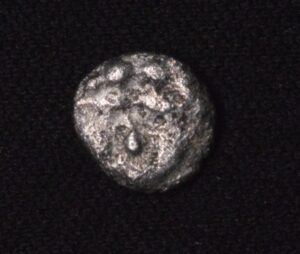
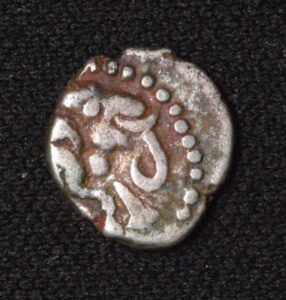
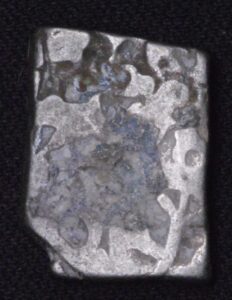
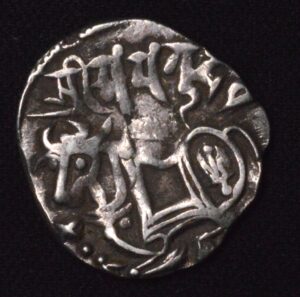
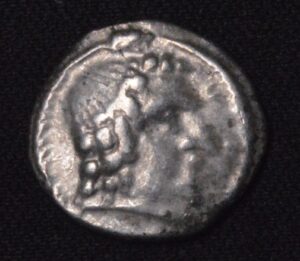
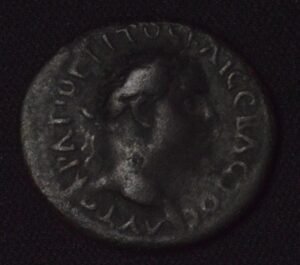
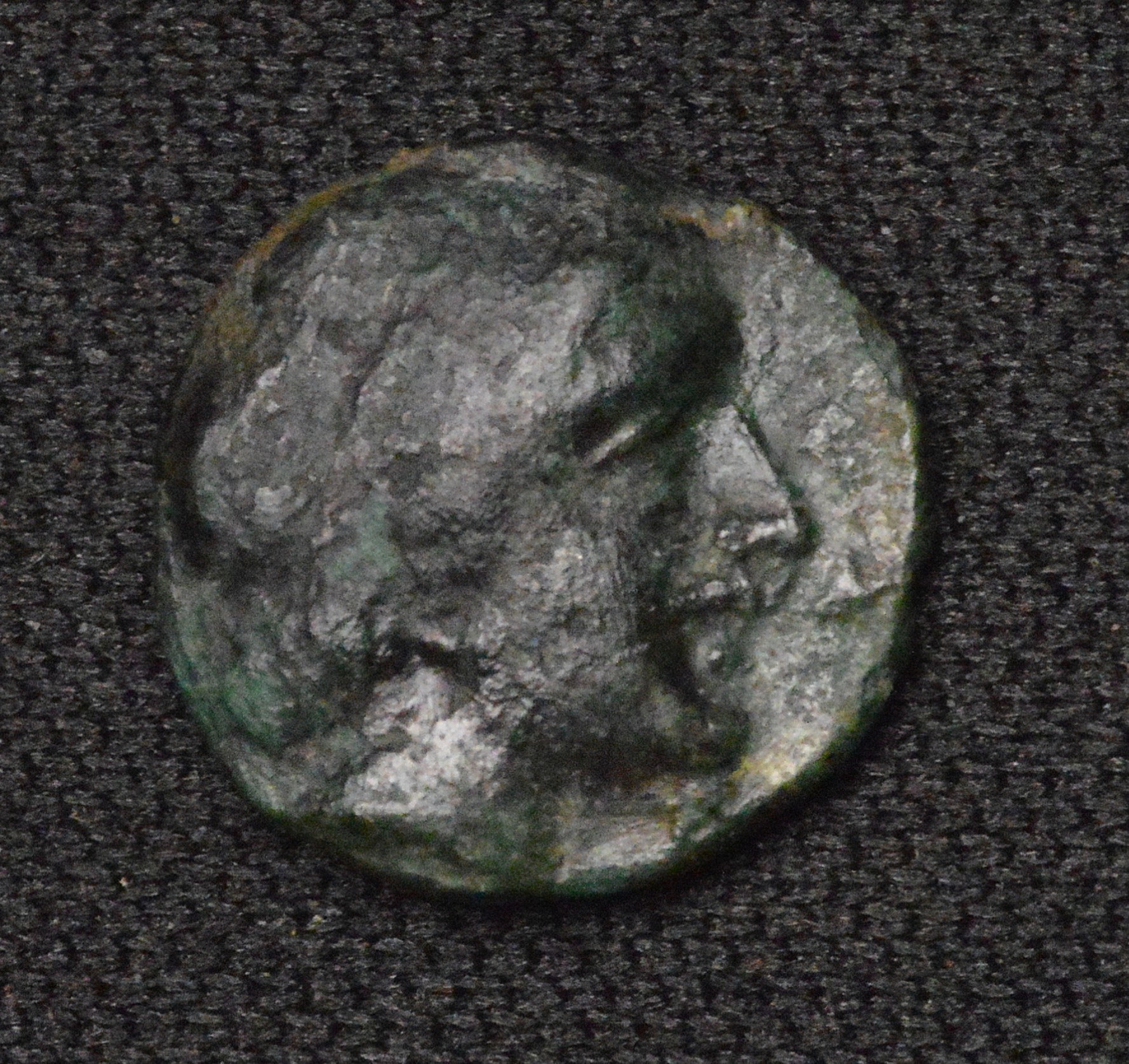
The coinage of the Kings of Thrace, specifically possibly attributed to Kotys (circa 383–359 BC), is an important example of the numismatic legacy of Thracian rulers. These coins often feature distinctive designs that reflect the region’s rich cultural traditions and the authority of local monarchs. Although exact attribution can be challenging, coins believed to be from Kotys’s reign typically display a combination of Greek artistic influence and Thracian motifs, underscoring the cultural interactions in the region during this period.

The coins from this era usually depict a prominent image of a king or deity on the obverse, often accompanied by symbols of power such as a crown, a laurel wreath, or a stylized deity head. The reverse frequently features animal motifs, geometric patterns, or local symbols that emphasize Thracian identity. Such imagery served both as a mark of royal authority and as a way of asserting regional independence within the broader Greek world and neighboring empires.

Circa 383–359 BC was a time of political consolidation and regional assertion for Thracian kings like Kotys. Their coinage reflects a period when local rulers sought to establish their sovereignty and cultural identity amid the influences of Greek colonies and larger imperial powers. Coins bearing the name or symbols associated with Kotys would have been used to promote loyalty and reinforce the ruler’s legitimacy among the Thracian tribes and neighboring regions.

The style and iconography of these coins reveal a blend of Greek artistic conventions with distinct Thracian elements. The craftsmanship often emphasizes bold, stylized figures and symbols, illustrating the region’s unique artistic expression. The coins’ metal composition, typically silver or bronze, also indicates their use in local trade and wider circulation, facilitating economic activity within Thrace and with external trading partners.

In summary, the coins associated with Thracian kings like Kotys from circa 383–359 BC are significant for understanding the political and cultural landscape of ancient Thrace. Their distinctive imagery and regional significance make them valuable artifacts for collectors and historians interested in Thracian history, regional monarchy, and the interaction between Greek and Thracian traditions. These coins stand as a testament to the sovereignty and cultural identity of Thracian rulers during a formative period in their history.

The coinage of the Kings of Thrace, specifically possibly attributed to Kotys (circa 383–359 BC), is an important example of the numismatic legacy of Thracian rulers. These coins often feature distinctive designs that reflect the region’s rich cultural traditions and the authority of local monarchs. Although exact attribution can be challenging, coins believed to be from Kotys’s reign typically display a combination of Greek artistic influence and Thracian motifs, underscoring the cultural interactions in the region during this period. The coins from this era usually depict a prominent image of a king or deity on the obverse, often accompanied by symbols of power such as a crown, a laurel wreath, or a stylized deity head. The reverse frequently features animal motifs, geometric patterns, or local symbols that emphasize Thracian identity. Such imagery served both as a mark of royal authority and as a way of asserting regional independence within the broader Greek world and neighboring empires. Circa 383–359 BC was a time of political consolidation and regional assertion for Thracian kings like Kotys. Their coinage reflects a period when local rulers sought to establish their sovereignty and cultural identity amid the influences of Greek colonies and larger imperial powers. Coins bearing the name or symbols associated with Kotys would have been used to promote loyalty and reinforce the ruler’s legitimacy among the Thracian tribes and neighboring regions. The style and iconography of these coins reveal a blend of Greek artistic conventions with distinct Thracian elements. The craftsmanship often emphasizes bold, stylized figures and symbols, illustrating the region’s unique artistic expression. The coins’ metal composition, typically silver or bronze, also indicates their use in local trade and wider circulation, facilitating economic activity within Thrace and with external trading partners. In summary, the coins associated with Thracian kings like Kotys from circa 383–359 BC are significant for understanding the political and cultural landscape of ancient Thrace. Their distinctive imagery and regional significance make them valuable artifacts for collectors and historians interested in Thracian history, regional monarchy, and the interaction between Greek and Thracian traditions. These coins stand as a testament to the sovereignty and cultural identity of Thracian rulers during a formative period in their history.
CUSTOMER FEEDBACK

Set your categories menu in Header builder -> Mobile -> Mobile menu element -> Show/Hide -> Choose menu
Create your first navigation menu here
Shopping cart
Start typing to see posts you are looking for.

OFFER A PRICE

Send Your Offer Below! Scroll the photo right to left for a closer look.

Kings of Thrace Cypsela Possibly Kotys Circa 383-359 BC