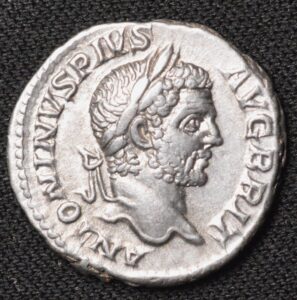
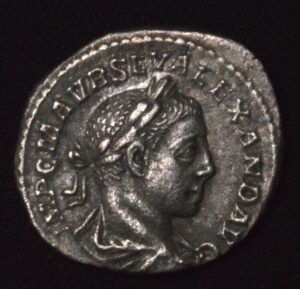
The Emperor Nerva silver denarius is a remarkable example of Roman coinage, showcasing exceptional craftsmanship and historical significance. Struck during Nerva’s brief reign from 96 to 98 AD, this coin exemplifies the high standards of Roman minting and serves as a testament to the political stability and economic vitality of the era. The coin’s silver surface retains a remarkable luster, indicative of its very high grade, and offers a pristine view of the intricate details that Roman engravers achieved.
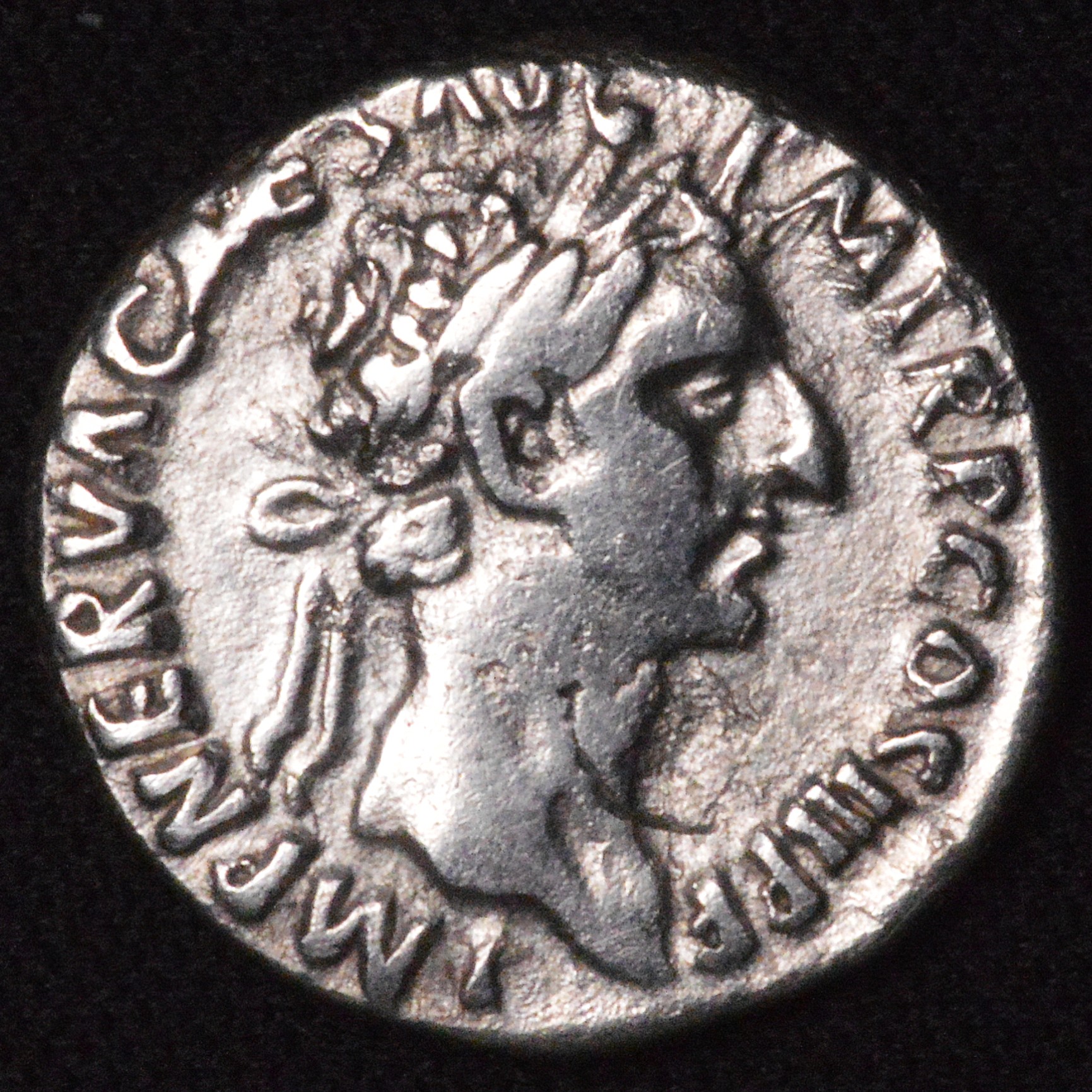
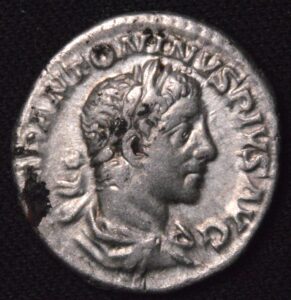
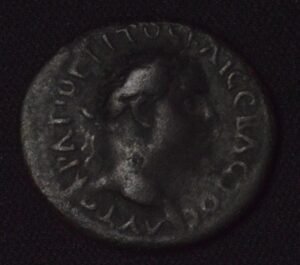
On the obverse, the coin features a finely rendered portrait of Emperor Nerva, depicted with a realistic and commanding visage. His facial features are meticulously detailed, capturing the nuances of age and authority, with a well-defined beard and hair that exhibit delicate lines, emphasizing the artistry involved. The portrait is often accompanied by inscriptions that include Nerva’s titulature, emphasizing his legitimacy and authority as ruler. The high grade of this denarius ensures that even the smallest facial details are sharp and clear, making it a prized piece for collectors and historians alike.
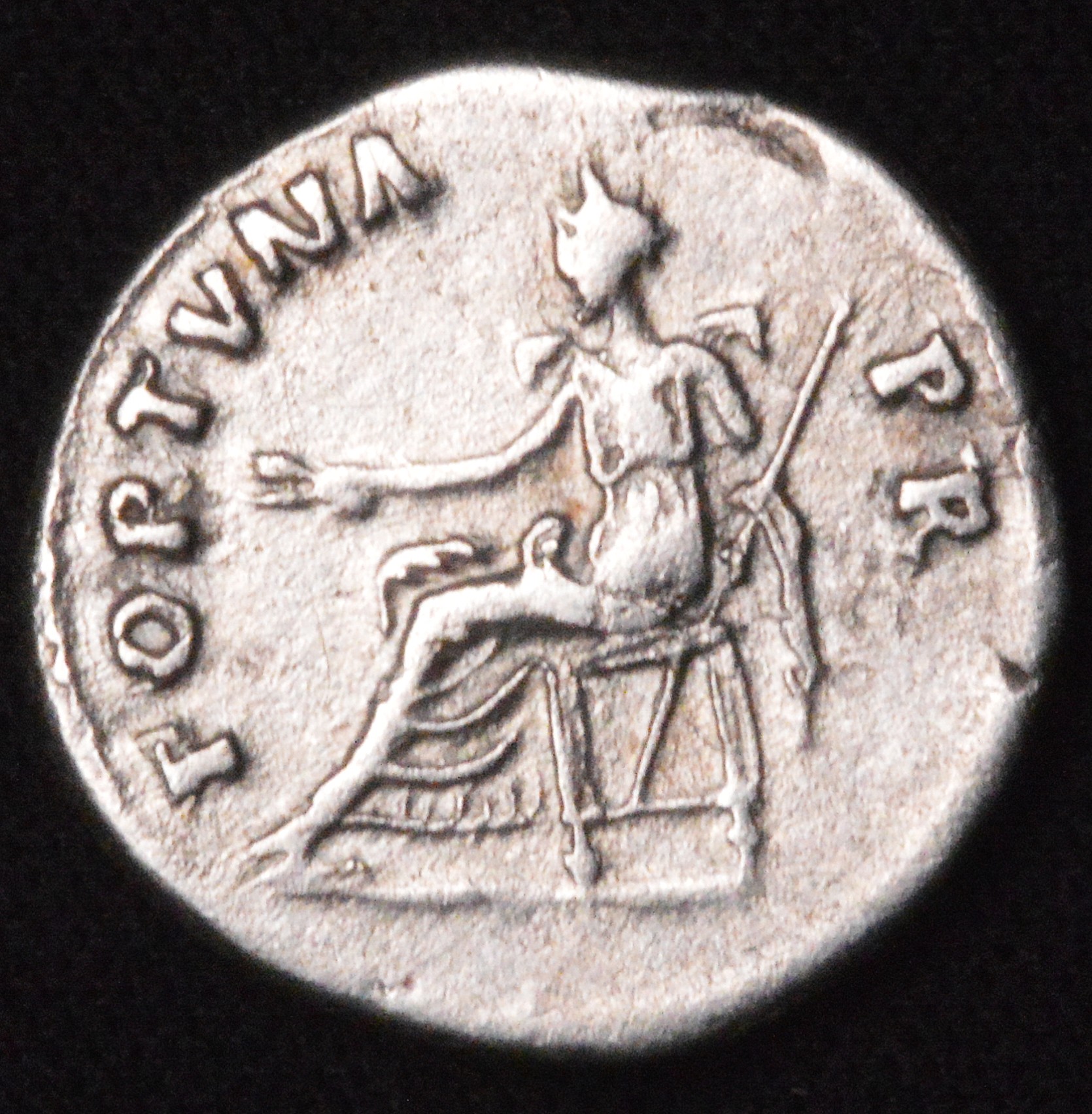
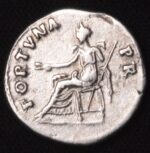
The reverse of the denarius typically depicts a symbolic scene or deity, rendered with equal precision. Common motifs include personifications of virtues such as Fortuna, Pax, or Spes, or representations of Nerva’s achievements and virtues. The imagery is surrounded by a detailed border of inscriptions that further assert the emperor’s accomplishments and divine favor. The clarity and sharpness of these engravings underscore the coin’s very high grade, with crisp lettering and finely detailed motifs that have been preserved without significant wear.
The craftsmanship of this denarius reflects the high standards of Roman minting technology and artistry during Nerva’s reign. The coin’s surfaces are smooth, with minimal marks or abrasions, and the strike is evenly distributed across the entire coin, resulting in a highly detailed and well-defined image. The silver quality is excellent, with a bright, reflective surface that enhances the coin’s aesthetic appeal and confirms its high grade. Such a specimen not only served as currency but also functioned as a portable piece of imperial propaganda, promoting Nerva’s image and virtues to the populace.
In summary, a very high grade Nerva silver denarius is a superb example of Roman numismatic artistry and imperial iconography. Its detailed portrait, sharp reverse imagery, and pristine condition make it a valuable collector’s item and a fascinating window into the history of early Imperial Rome. This coin exemplifies the craftsmanship and political symbolism of the period, making it a prized artifact for both numismatists and history enthusiasts.