$550.00

1 in stock

Description

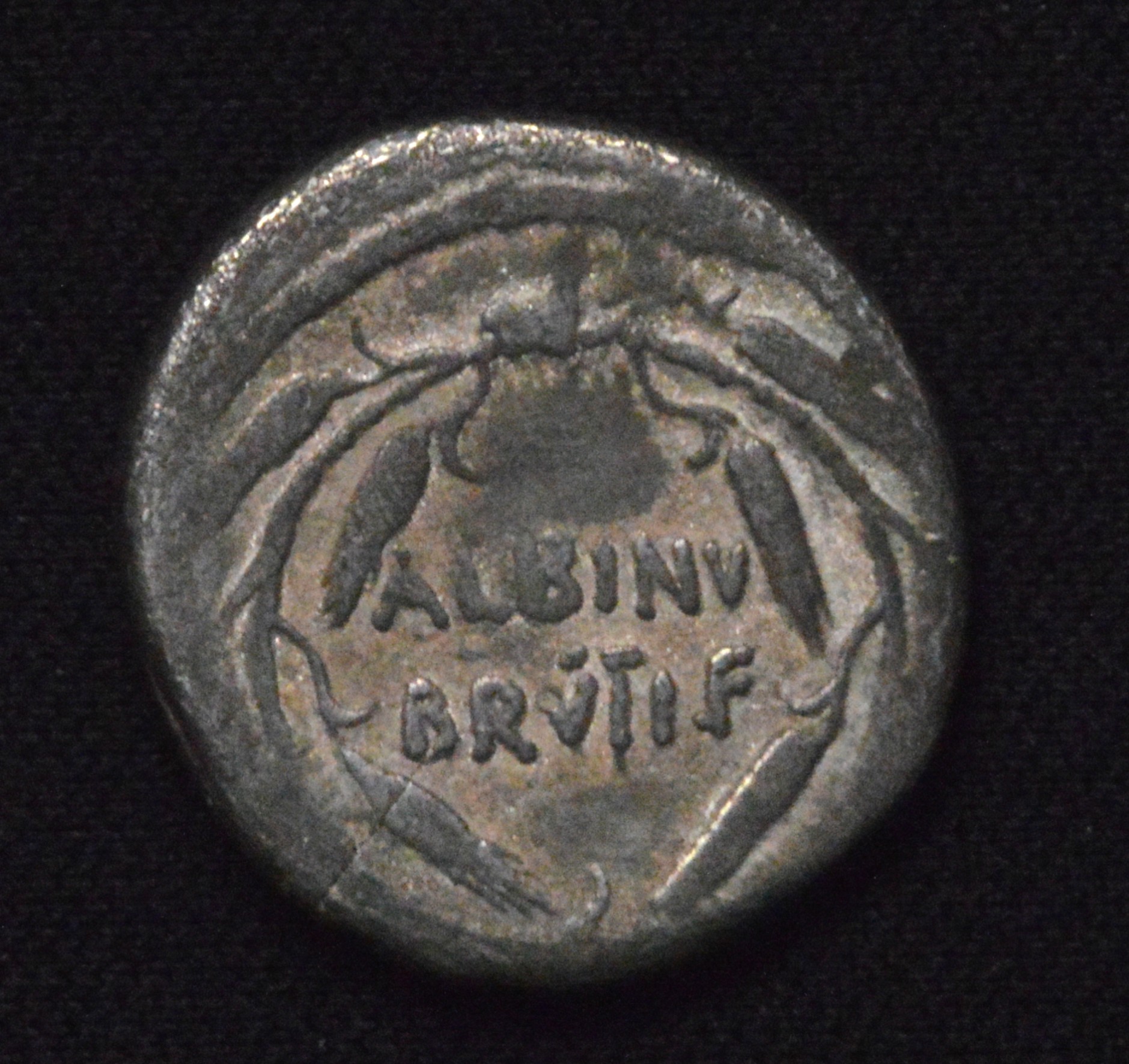
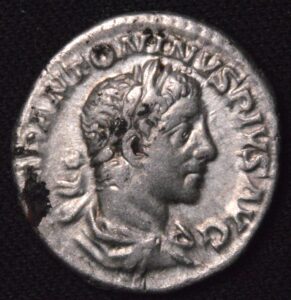
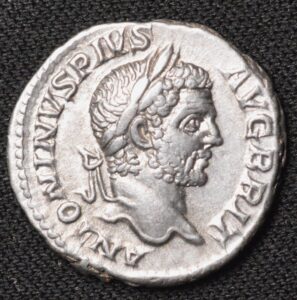
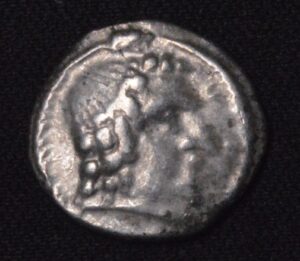
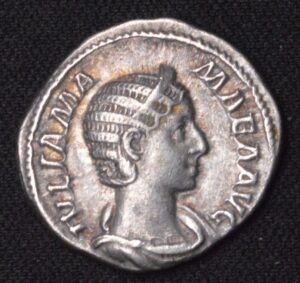
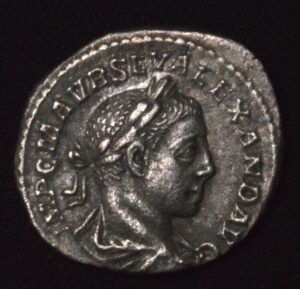
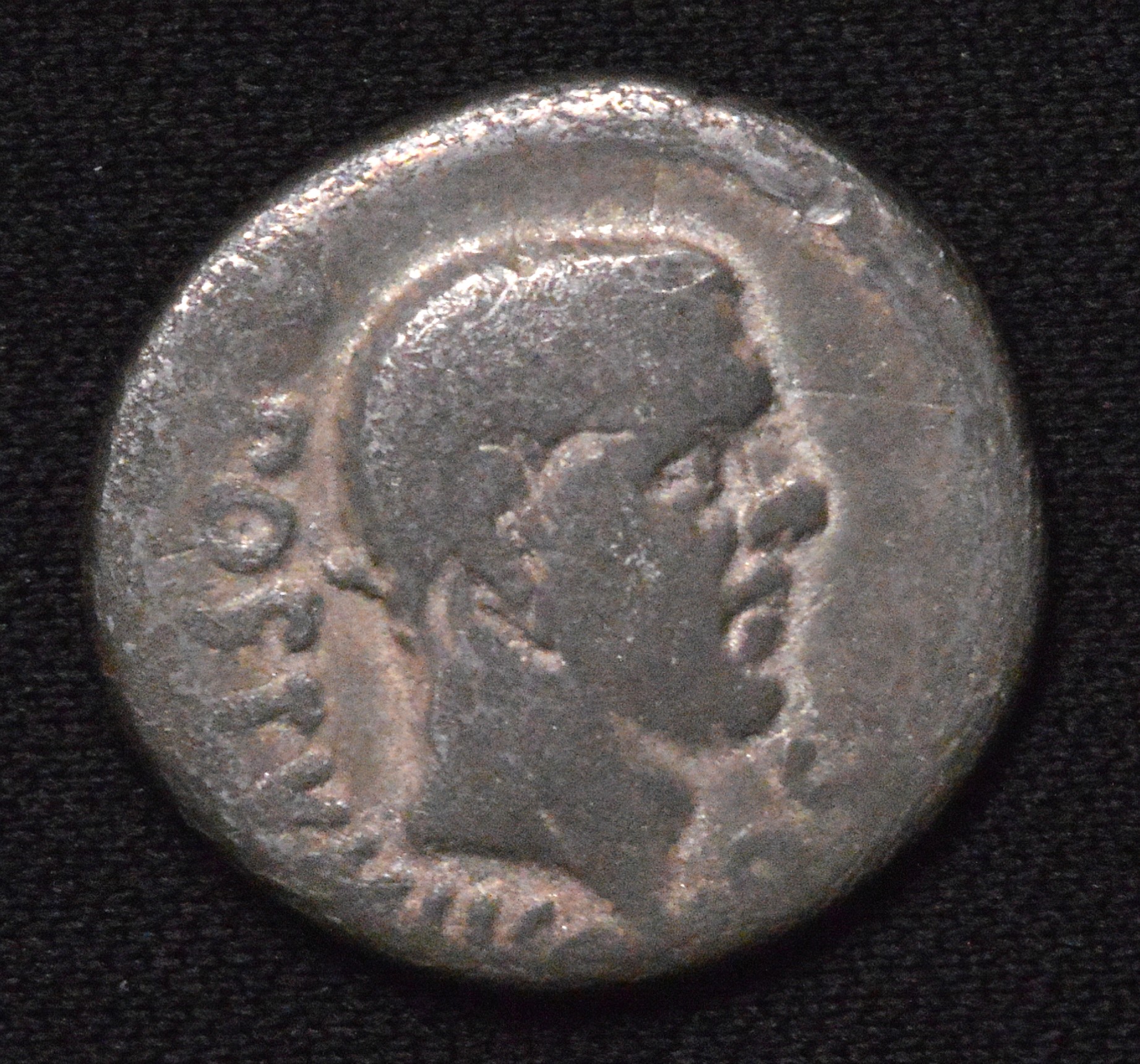
The Roman denarius featuring Brutus Albinus is a remarkable artifact that offers a glimpse into the political and cultural landscape of ancient Rome. Denarii were silver coins that served not only as currency but also as tools for political propaganda and public recognition. The depiction of Brutus Albinus on these coins signifies his importance and influence within Roman society, highlighting his status as a prominent senator and supporter of Julius Caesar. Such coins would have circulated widely, reinforcing his image among the Roman populace and asserting his role in the political arena.

Brutus Albinus was renowned for his intelligence, political acumen, and unwavering dedication to the Roman Republic. As a senator, he was deeply involved in the complex web of Roman politics, often aligning himself with Caesar’s interests during a tumultuous period of change and conflict. His support for Caesar was instrumental in shaping the events leading up to the fall of the Republic and the rise of the Imperial era. The imagery on his denarius would have been carefully chosen to convey his authority, wisdom, and loyalty to Rome’s republican ideals.

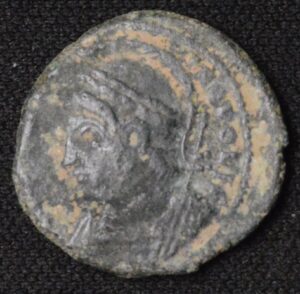
The portrait of Brutus on the denarius typically emphasizes his profile, a common feature in Roman coinage that aimed to immortalize the image of influential figures. These portraits were not merely artistic representations but symbols of power and legitimacy. By displaying his likeness, the coin-makers sought to project Brutus’s prominence and political stature, ensuring his presence was felt in everyday transactions. The craftsmanship of such coins reflects the artistic skill and political messaging that characterized Roman minting practices.

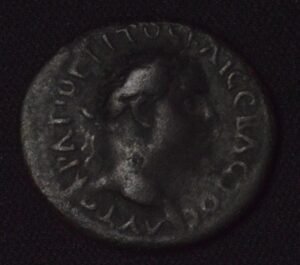
Furthermore, the inscriptions accompanying the portrait often contained titles or honors that underscored Brutus’s reputation and achievements. These inscriptions served as a form of propaganda, promoting his virtues and contributions to the Roman state. The coin thus functioned as a portable monument, reinforcing Brutus’s legacy and rallying support among Roman citizens. It also exemplifies the way Roman leaders used coinage to shape public perception and solidify their political standing.

In conclusion, the denarius featuring Brutus Albinus is more than just a piece of currency; it is a testament to his influence and the political climate of his time. It encapsulates the Roman practice of using coinage as a means of communication, propaganda, and commemoration. As a supporter of Caesar and a key figure in Roman history, Brutus’s depiction on the denarius remains a powerful symbol of loyalty, authority, and the enduring legacy of the Roman Republic.

The Roman denarius featuring Brutus Albinus is a remarkable artifact that offers a glimpse into the political and cultural landscape of ancient Rome. Denarii were silver coins that served not only as currency but also as tools for political propaganda and public recognition. The depiction of Brutus Albinus on these coins signifies his importance and influence within Roman society, highlighting his status as a prominent senator and supporter of Julius Caesar. Such coins would have circulated widely, reinforcing his image among the Roman populace and asserting his role in the political arena. Brutus Albinus was renowned for his intelligence, political acumen, and unwavering dedication to the Roman Republic. As a senator, he was deeply involved in the complex web of Roman politics, often aligning himself with Caesar’s interests during a tumultuous period of change and conflict. His support for Caesar was instrumental in shaping the events leading up to the fall of the Republic and the rise of the Imperial era. The imagery on his denarius would have been carefully chosen to convey his authority, wisdom, and loyalty to Rome’s republican ideals. The portrait of Brutus on the denarius typically emphasizes his profile, a common feature in Roman coinage that aimed to immortalize the image of influential figures. These portraits were not merely artistic representations but symbols of power and legitimacy. By displaying his likeness, the coin-makers sought to project Brutus’s prominence and political stature, ensuring his presence was felt in everyday transactions. The craftsmanship of such coins reflects the artistic skill and political messaging that characterized Roman minting practices. Furthermore, the inscriptions accompanying the portrait often contained titles or honors that underscored Brutus’s reputation and achievements. These inscriptions served as a form of propaganda, promoting his virtues and contributions to the Roman state. The coin thus functioned as a portable monument, reinforcing Brutus’s legacy and rallying support among Roman citizens. It also exemplifies the way Roman leaders used coinage to shape public perception and solidify their political standing. In conclusion, the denarius featuring Brutus Albinus is more than just a piece of currency; it is a testament to his influence and the political climate of his time. It encapsulates the Roman practice of using coinage as a means of communication, propaganda, and commemoration. As a supporter of Caesar and a key figure in Roman history, Brutus’s depiction on the denarius remains a powerful symbol of loyalty, authority, and the enduring legacy of the Roman Republic.
CUSTOMER FEEDBACK

Set your categories menu in Header builder -> Mobile -> Mobile menu element -> Show/Hide -> Choose menu
Create your first navigation menu here
Shopping cart
Start typing to see posts you are looking for.

OFFER A PRICE

Send Your Offer Below! Scroll the photo right to left for a closer look.

Brutus Albinus Silver Denarius RARE ISSUE