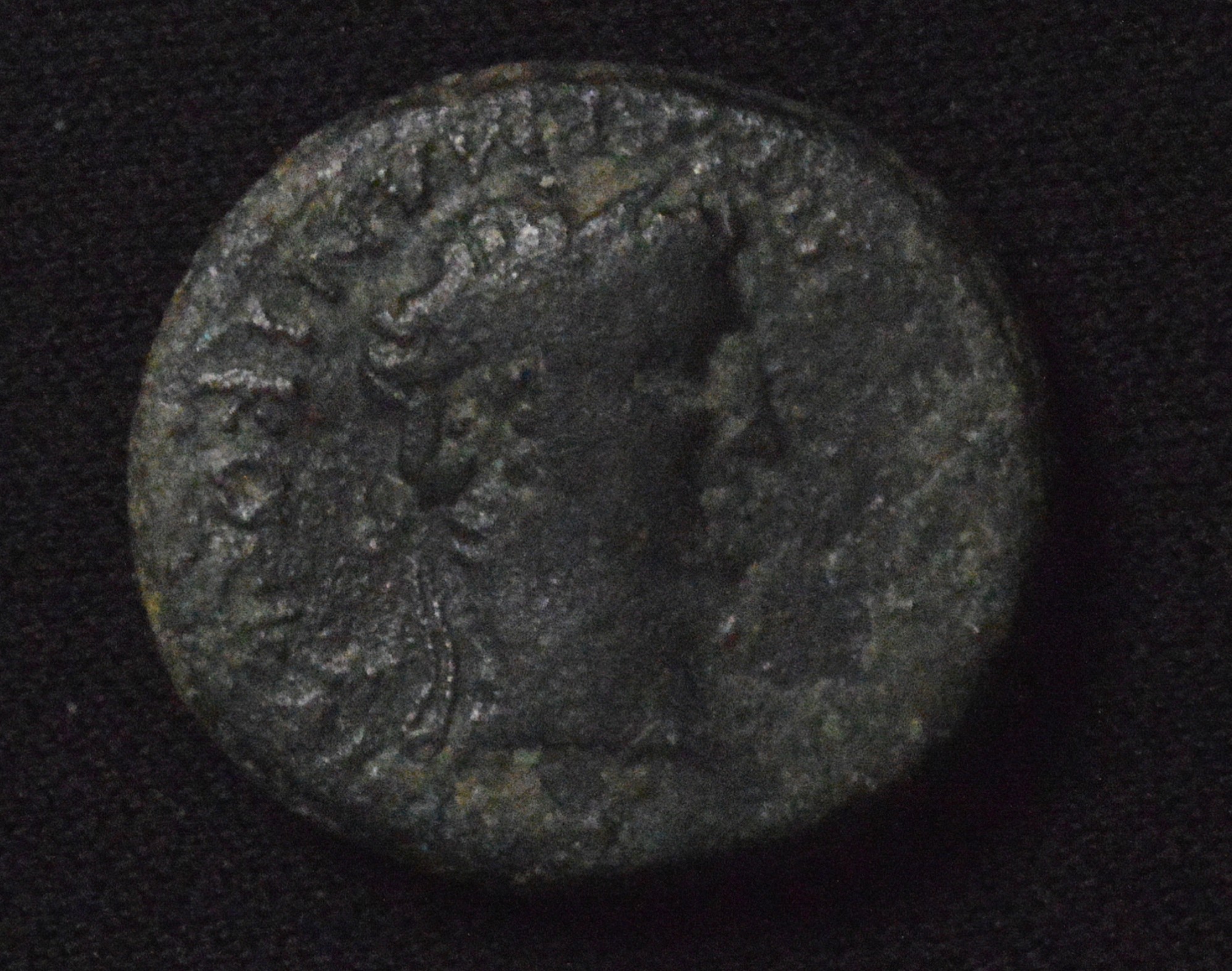
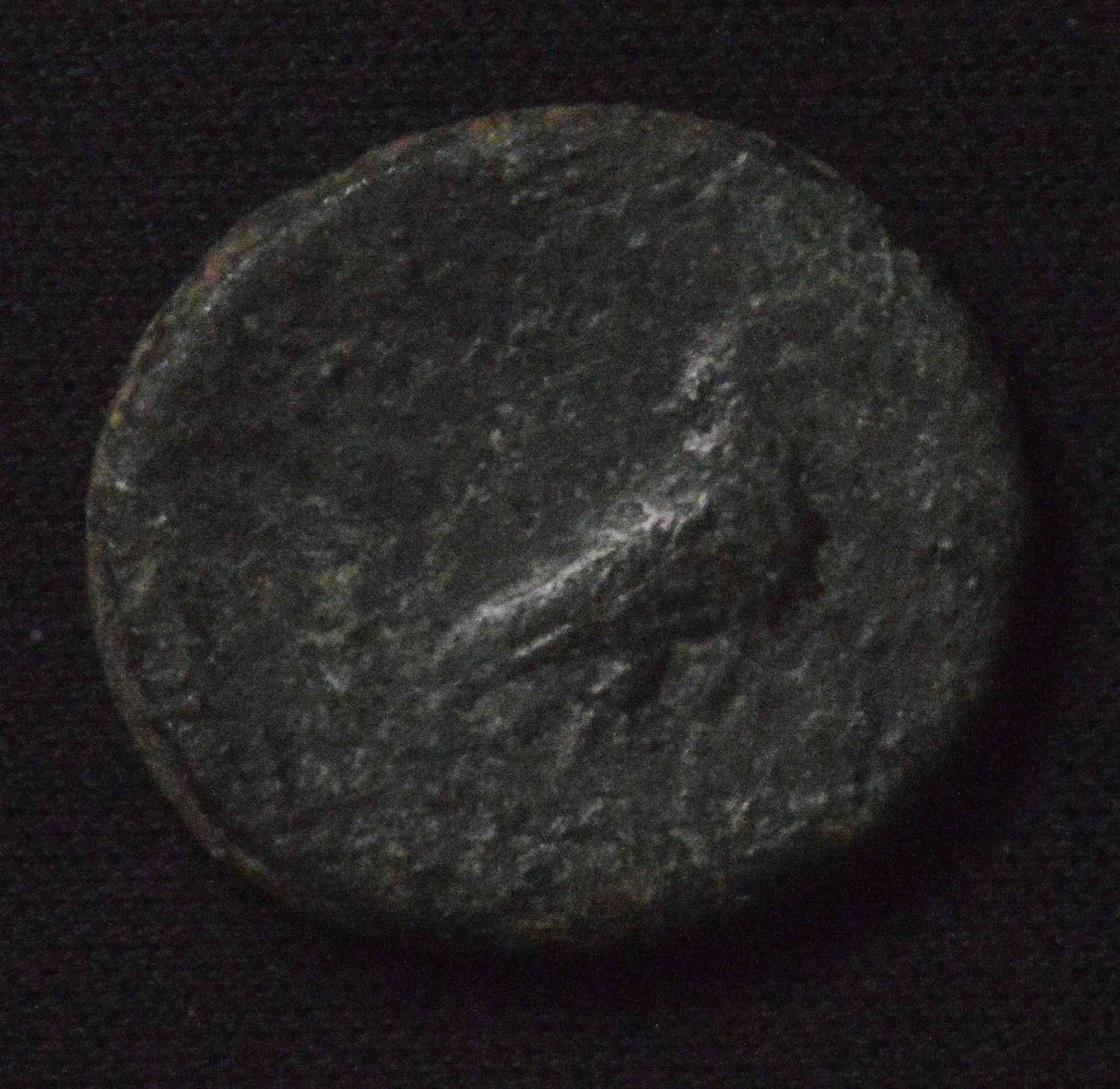
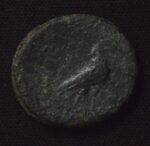
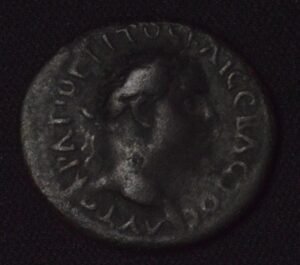
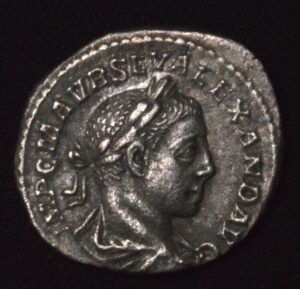
Claudius Phrygia Amorium AD 41-54 Eagle Reverse coins are notable artifacts from the early Roman imperial period, specifically during the reign of Emperor Claudius. Amorium, a prominent city in Asia Minor, was an important center within the province of Phrygia. The city’s coinage often reflected both local and imperial themes, serving as a medium for political propaganda and local identity. The eagle motif on the reverse of these coins is a symbol deeply associated with Roman imperial power, sovereignty, and divine authority. It also echoes the imagery used throughout the empire to reinforce loyalty to the emperor and the Roman state.
The coins from this period typically feature a detailed depiction of an eagle, often with outstretched wings, clutching symbols such as a thunderbolt or a laurel branch. This imagery emphasizes strength, dominance, and the divine right of the emperor to rule. The eagle was a standard motif in Roman iconography, often representing Jupiter, the king of gods, and by extension, the imperial authority of Rome. The reverse design aimed to evoke a sense of stability and power, reassuring the populace and asserting Roman dominance over the eastern provinces.
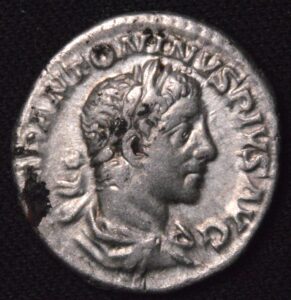
In terms of craftsmanship, these coins exhibit high-quality engraving and meticulous detail, reflecting the minting standards of the time. The reverse eagle is usually rendered with great realism, capturing feathers and the majestic stance of the bird. The coins would have been struck in silver or bronze, depending on their denomination, with inscriptions that often include the city’s name, Amorium, and sometimes references to the emperor or imperial titles. The quality and style of these coins make them valuable for numismatists studying Roman provincial coinage and local adaptations of imperial imagery.
The period of AD 41-54 marks the early years of Claudius’s reign, a time of consolidation and expansion for the Roman Empire. Coins from Amorium with eagle reverses reflect this political climate, emphasizing imperial strength and divine favor. The eagle, as a universal emblem of Rome’s military and political might, would have been a familiar and reassuring symbol to the local populace. These coins not only served as currency but also as a means of conveying Rome’s enduring power across its provinces.
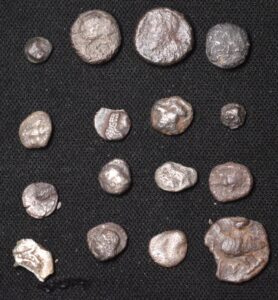
Today, Claudius Phrygia Amorium AD 41-54 eagle reverse coins are prized by collectors and historians alike. They offer insight into the local production of Roman coinage and the widespread use of imperial symbolism. Their design and iconography encapsulate the themes of power, divine authority, and provincial loyalty that characterized the early imperial period in Asia Minor. As artifacts, they continue to shed light on the complex relationship between Rome and its provincial cities during the first half of the 1st century AD.