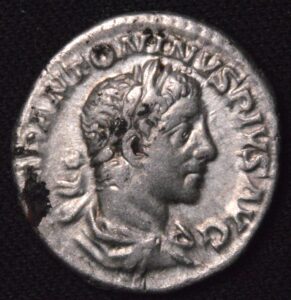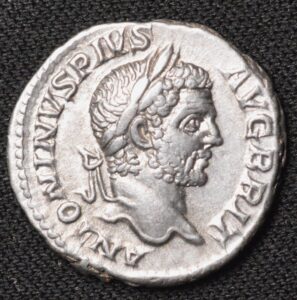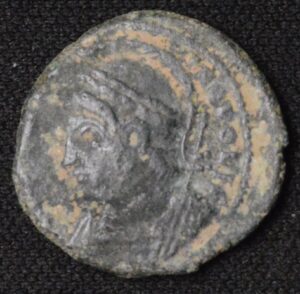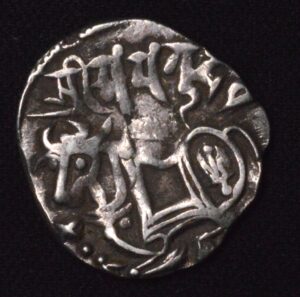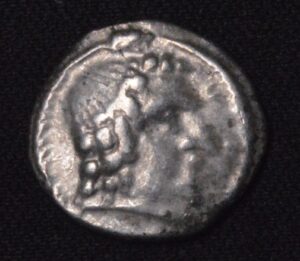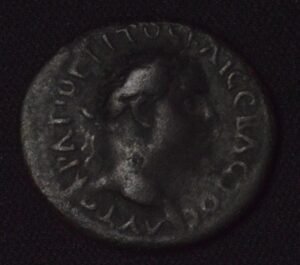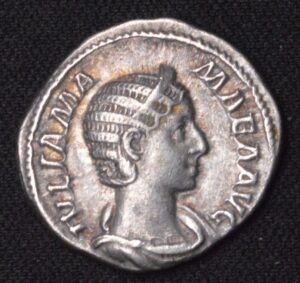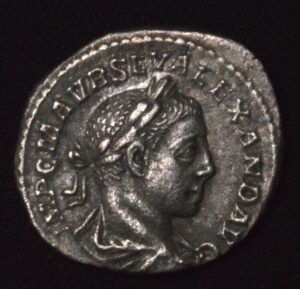
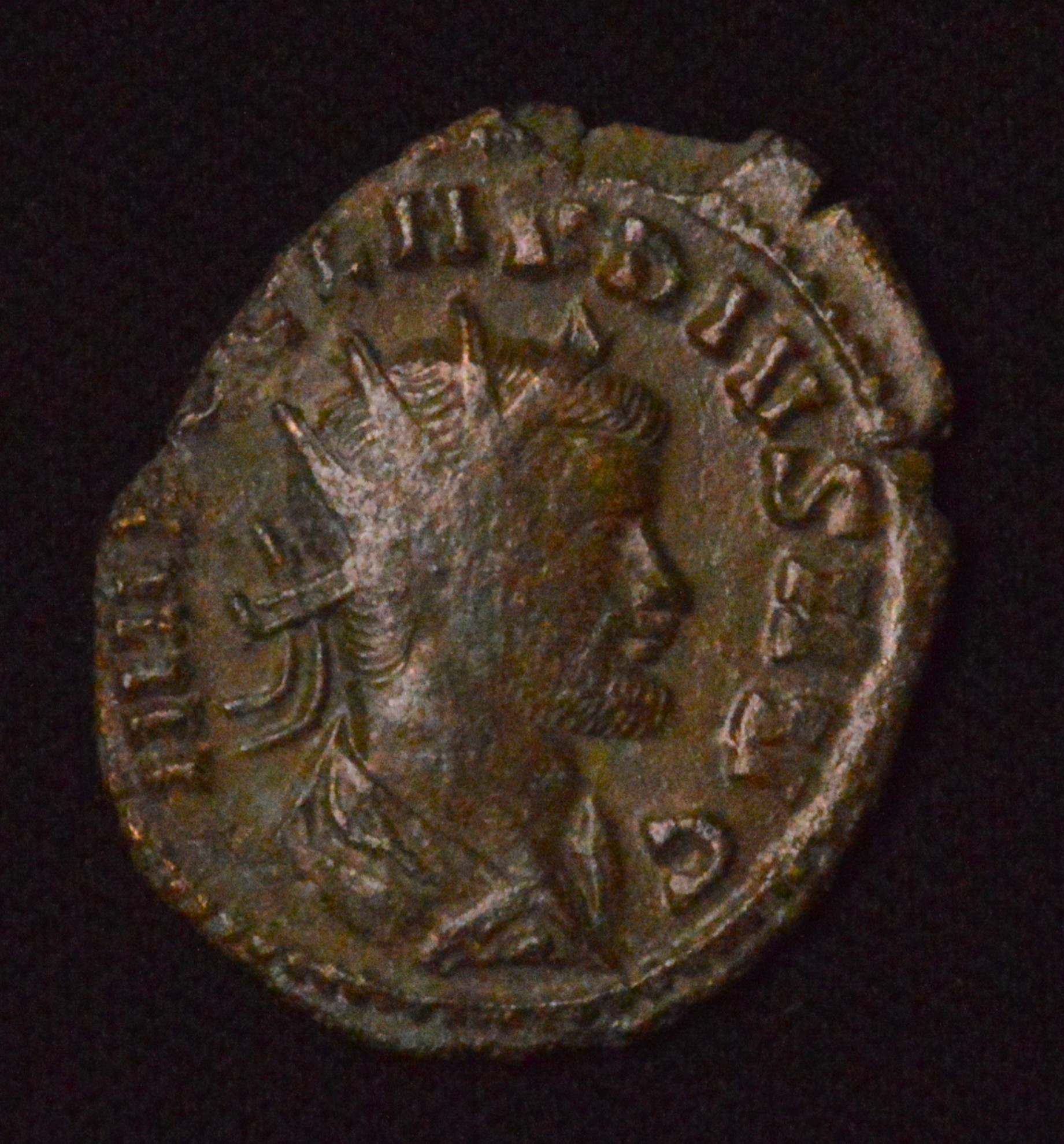
Claudius Gothicus, also known as Emperor Claudius II, ruled the Roman Empire from 268 to 270 AD during a tumultuous period marked by military conflicts and widespread disease. One of the most notable aspects of his reign is his issuance of the Antoninianus coin, a silver-based currency that bore his image and symbolized his authority across the empire. These coins are significant for their historical value, offering insights into the economy and iconography of late Roman imperial rule.
During his short reign, Claudius Gothicus faced numerous challenges, including invasions by barbarian tribes and internal instability. Despite these difficulties, he is remembered for his military prowess and efforts to stabilize the empire. However, his reign was also marked by hardship, including a devastating plague that ravaged the population. This plague, believed to be either smallpox or measles, contributed to the decline of Roman society and claimed many lives, including that of the emperor himself.
One of the most poignant stories associated with Claudius Gothicus is his death, which is believed to have resulted from the plague that swept through the empire. His death in 270 AD marked the end of a brief but impactful reign during a period of crisis. The loss of the emperor to disease underscores the severity of the epidemic and its effect on the Roman state, which was already strained by external threats and economic difficulties.
St. Valentine, a Christian martyr revered for his acts of faith and charity, is traditionally associated with the era of Roman persecution. According to legend, Valentine was executed around the same time as the tumultuous years of Claudius Gothicus’s rule, specifically in 268-270 AD. While historical details remain sparse, it is believed that he died from the same plague or as a result of the imperial persecutions, symbolizing the suffering of early Christians under Roman authority.
The story of Claudius Gothicus and St. Valentine encapsulates a period of profound upheaval in Roman history—marked by war, disease, and spiritual conflict. Their legacies continue to resonate today, reminding us of the resilience of faith and the impact of historical crises on individuals and empires alike. The Antoninianus coins of Claudius Gothicus serve as enduring relics of a turbulent yet transformative era in ancient Rome.