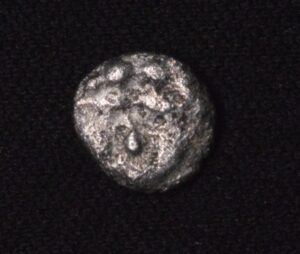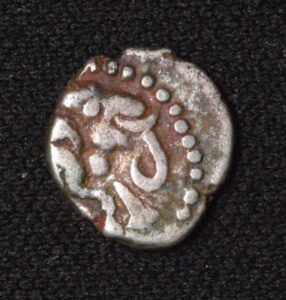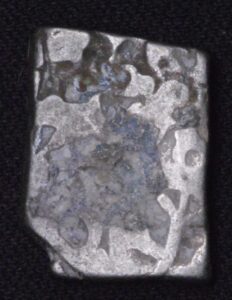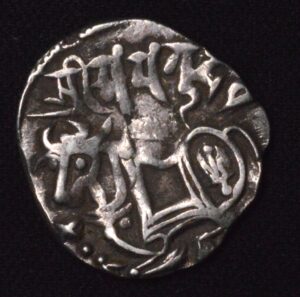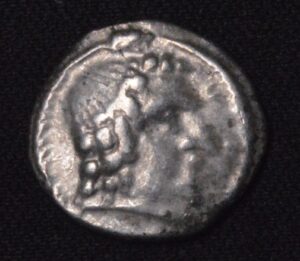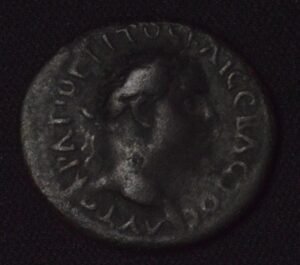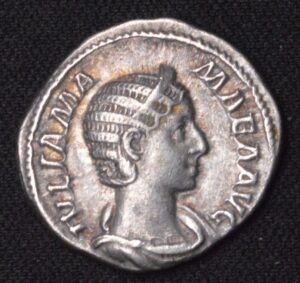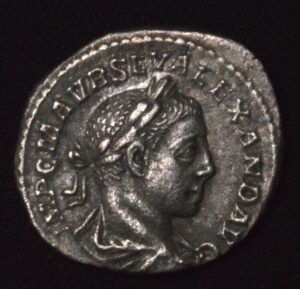
This authentic ancient Roman Antoninianus features Emperor Claudius II Gothicus, who reigned from A.D. 268 to 270, making it a fascinating piece from a tumultuous period of Roman history. Struck in bronze, this coin exemplifies the imperial coinage of the late 3rd century, a time marked by military expansion, internal strife, and the consolidation of imperial power. Its historical significance and age make it a highly desirable piece for collectors and enthusiasts of Roman numismatics.
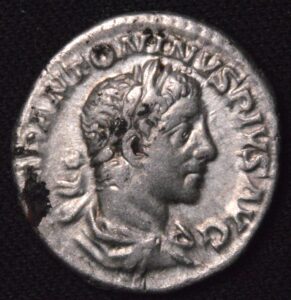
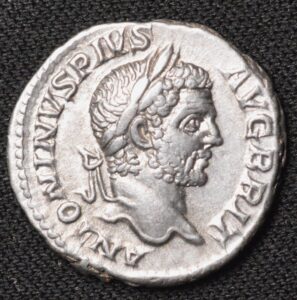
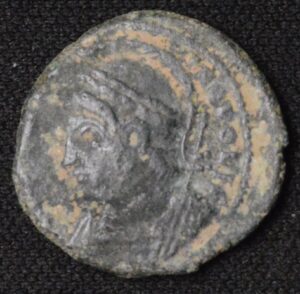
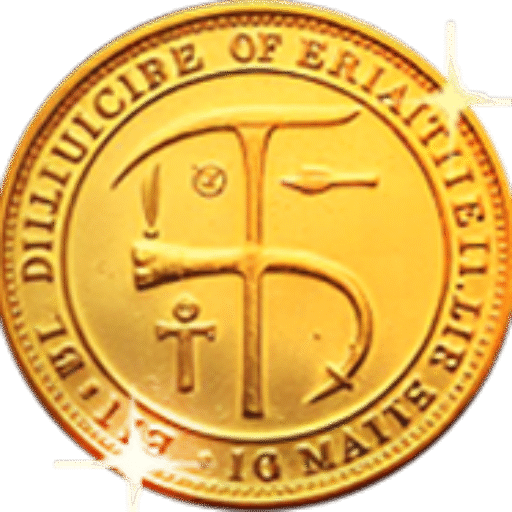
The obverse of the coin depicts a radiate bust of Claudius II Gothicus facing right, wearing the imperial diadem. The detailed portrait captures the emperor’s stern and commanding expression, emphasizing his role as a military leader and protector of the empire. Surrounding the portrait are inscriptions that identify him as emperor and attest to the coin’s authenticity, adding to its historical value.
On the reverse, typical of Antoninianus coinage, there may be imagery reflecting Roman military strength, deities, or imperial symbols, although specific details can vary depending on the minting. This particular coin’s design underscores Claudius II’s reputation as a military emperor, often associated with victories and stability during his short reign. The bronze composition adds a warm, rich tone, showcasing the craftsmanship of Roman artisans.
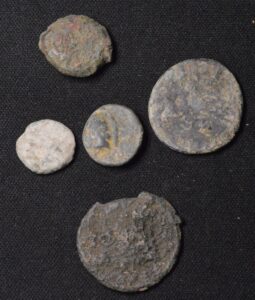
Despite its age, the coin remains in good condition with visible details and a natural patina that enhances its authenticity. The size and weight of the bronze Antoninianus make it a solid, substantial piece, ideal for display or as part of a broader ancient coin collection. Its historical context and craftsmanship make it a “wicked cool” artifact to own.
Own this ancient Roman Antoninianus of Claudius II Gothicus to connect with a pivotal era of Roman history. Its rarity, historical significance, and well-preserved state make it a standout addition for collectors interested in late Roman Empire coinage. A remarkable piece that embodies the valor and resilience of Rome during a challenging period.