$1,100.00

1 in stock

Description

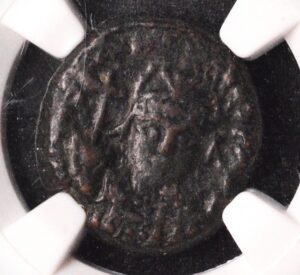
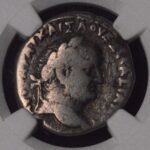
The Emperor Vespasian tetradrachm from Antioch, Syria, is a notable example of Roman provincial coinage from the Flavian period. Vespasian, who ruled as Roman Emperor from 69 to 79 AD, was instrumental in stabilizing the empire following the chaos of Nero’s reign and the Year of the Four Emperors. Coins from this period often feature imperial portraits and inscriptions that emphasize Vespasian’s authority and legitimacy, making them significant for both historical and numismatic study.

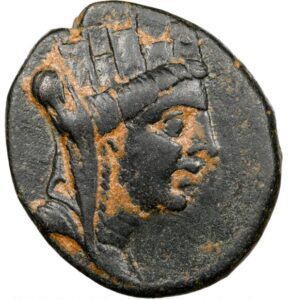
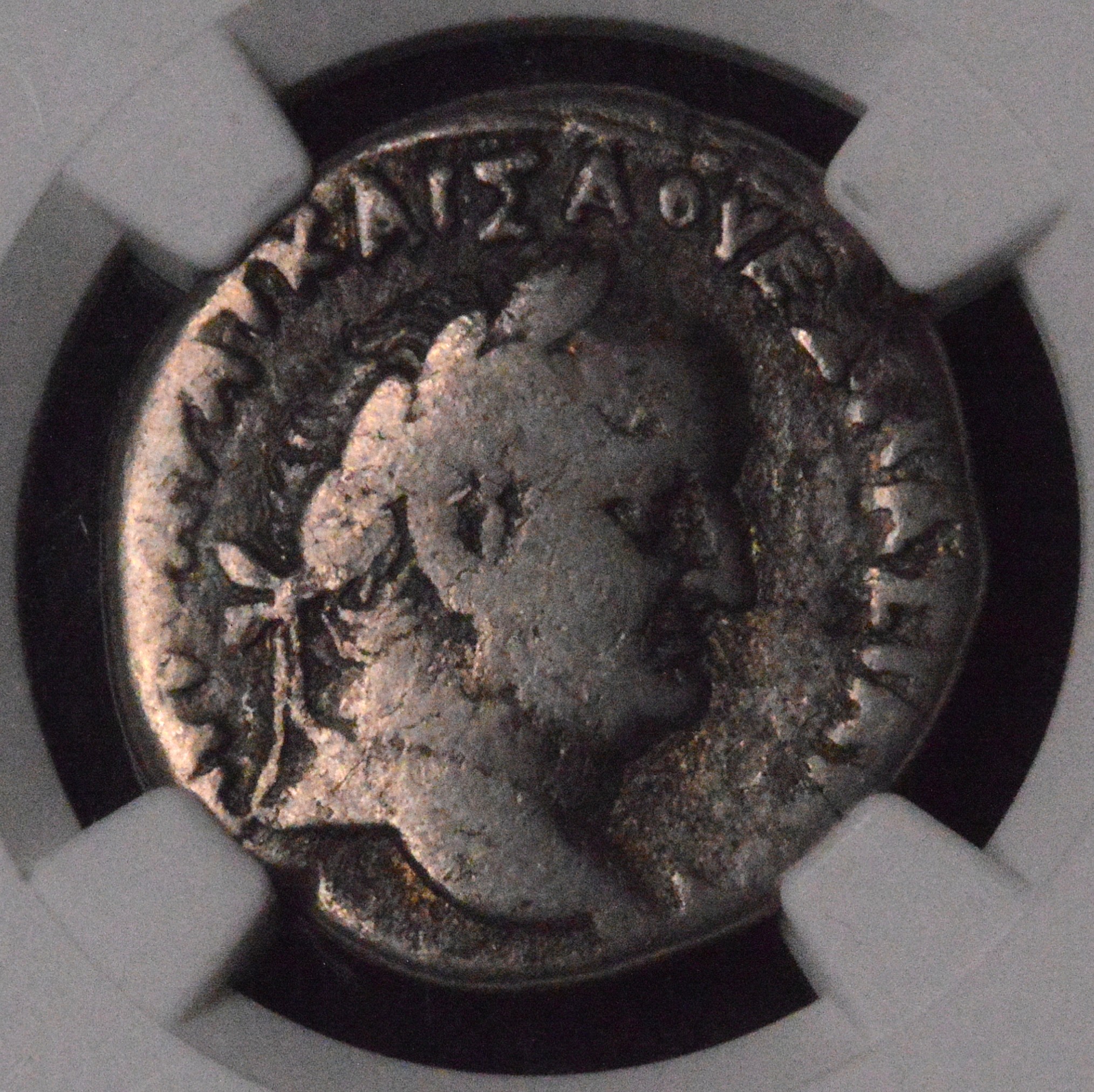
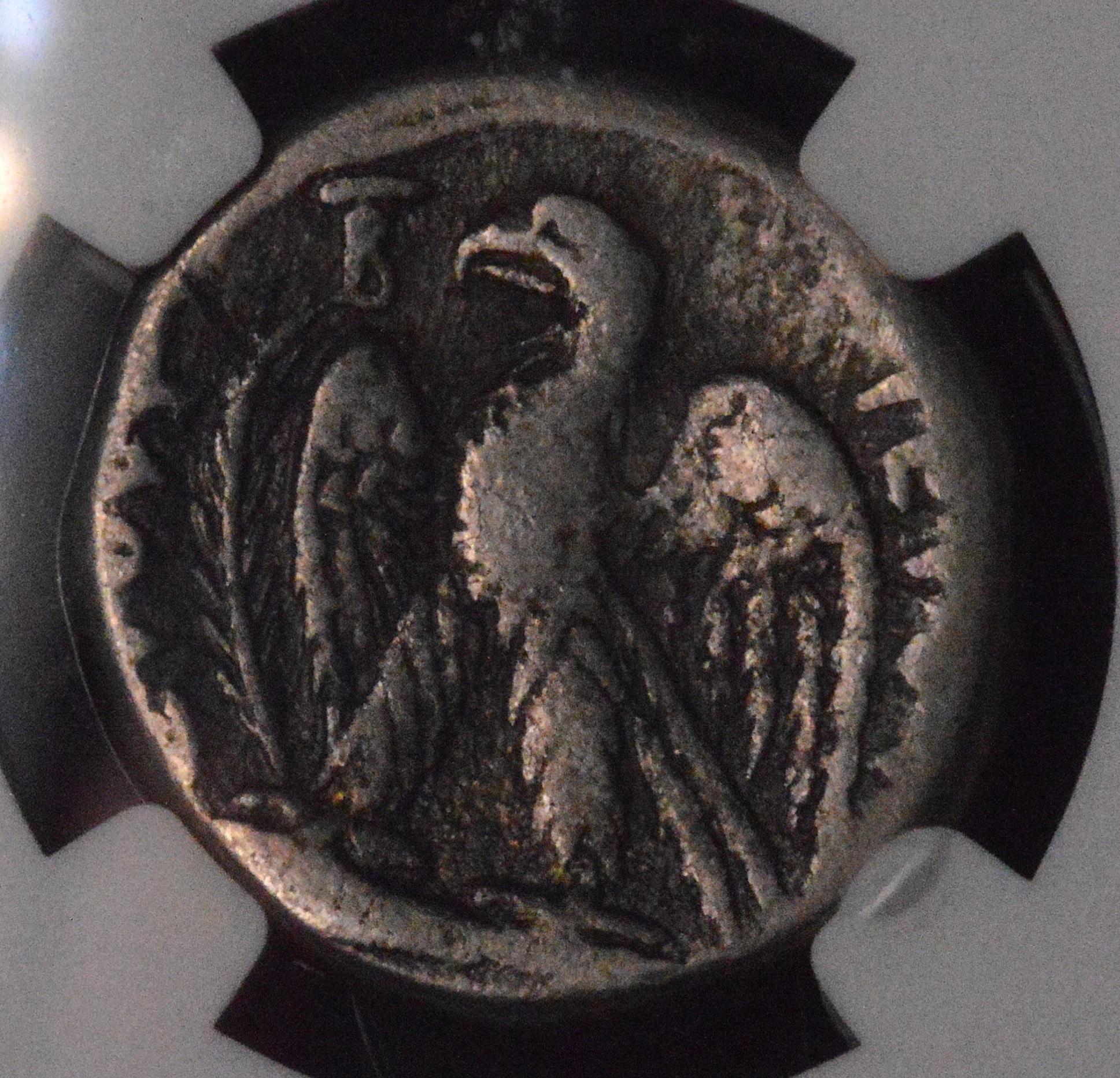
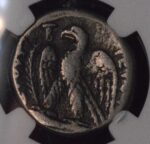
This particular tetradrachm was struck in Antioch, one of the major cities of the eastern Roman provinces. Antioch was renowned for its vibrant economy and cultural importance, and its coinage often reflected local artistry combined with imperial imagery. The coin’s obverse typically depicts a portrait of Vespasian, showing him in a dignified manner with inscriptions that identify him as emperor. The reverse might display city symbols or deities, emphasizing the local identity alongside imperial power.

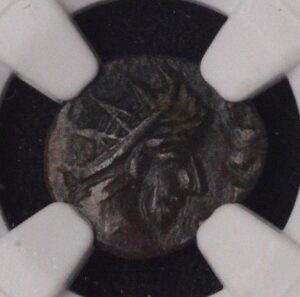
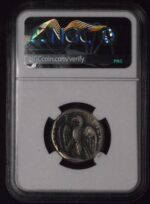
The grade of Fine assigned by NGC indicates that the coin exhibits moderate wear, with most of the major details still visible. While some fine details may be softened or partially worn, the overall impression remains clear, and the coin retains its historical and aesthetic value. The silver tetradrachm’s preservation allows collectors and historians to appreciate the craftsmanship and iconography of the period, despite some age-related wear.

The tetradrachm’s metal composition, primarily silver, adds to its desirability and value. Silver coins from Antioch during Vespasian’s reign are prized for their quality and historical significance. These coins not only served as currency but also as tools of propaganda, promoting Vespasian’s image and authority across the empire’s eastern territories.

Today, an Antioch Vespasian tetradrachm graded as Fine is a prized collector’s piece that offers a tangible connection to the Roman Empire’s provincial history. It reflects the economic, political, and artistic currents of the time and provides insight into the imperial reach of Vespasian’s rule. Such coins are treasured for their historical importance and their role in illustrating the grandeur of Roman imperial coinage.

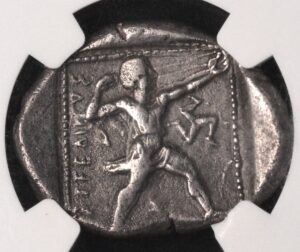
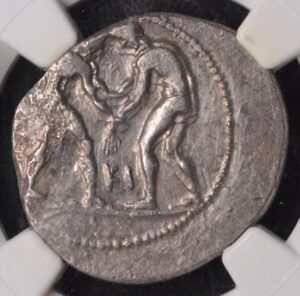
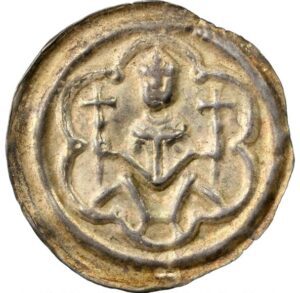
The Emperor Vespasian tetradrachm from Antioch, Syria, is a notable example of Roman provincial coinage from the Flavian period. Vespasian, who ruled as Roman Emperor from 69 to 79 AD, was instrumental in stabilizing the empire following the chaos of Nero’s reign and the Year of the Four Emperors. Coins from this period often feature imperial portraits and inscriptions that emphasize Vespasian’s authority and legitimacy, making them significant for both historical and numismatic study. This particular tetradrachm was struck in Antioch, one of the major cities of the eastern Roman provinces. Antioch was renowned for its vibrant economy and cultural importance, and its coinage often reflected local artistry combined with imperial imagery. The coin’s obverse typically depicts a portrait of Vespasian, showing him in a dignified manner with inscriptions that identify him as emperor. The reverse might display city symbols or deities, emphasizing the local identity alongside imperial power. The grade of Fine assigned by NGC indicates that the coin exhibits moderate wear, with most of the major details still visible. While some fine details may be softened or partially worn, the overall impression remains clear, and the coin retains its historical and aesthetic value. The silver tetradrachm’s preservation allows collectors and historians to appreciate the craftsmanship and iconography of the period, despite some age-related wear. The tetradrachm’s metal composition, primarily silver, adds to its desirability and value. Silver coins from Antioch during Vespasian’s reign are prized for their quality and historical significance. These coins not only served as currency but also as tools of propaganda, promoting Vespasian’s image and authority across the empire’s eastern territories. Today, an Antioch Vespasian tetradrachm graded as Fine is a prized collector’s piece that offers a tangible connection to the Roman Empire’s provincial history. It reflects the economic, political, and artistic currents of the time and provides insight into the imperial reach of Vespasian’s rule. Such coins are treasured for their historical importance and their role in illustrating the grandeur of Roman imperial coinage.

CUSTOMER FEEDBACK

Related Products & Newly Released!

Set your categories menu in Header builder -> Mobile -> Mobile menu element -> Show/Hide -> Choose menu
Create your first navigation menu here
Shopping cart
Start typing to see posts you are looking for.

OFFER A PRICE

Send Your Offer Below! Scroll the photo right to left for a closer look.

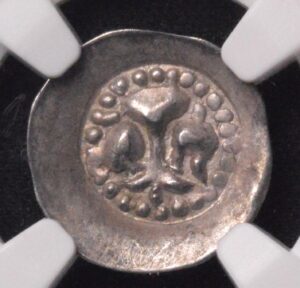
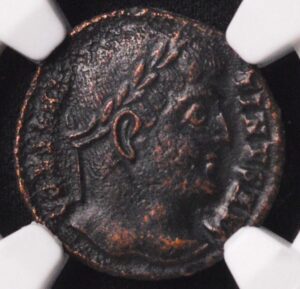
Emperor Vespasian Rome 79 AD Antioch, Syria Tetradrachm NGC Fine