The Emperor Caracalla, ruling during the early 3rd century AD, is a prominent figure in Ancient Rome’s history. His reign began in 211 A.D. following the assassination of his father, Emperor Septimius Severus, and was marked by both military campaigns and internal political challenges. Caracalla is perhaps best known for issuing the Antonine Constitution in 212 A.D., which granted Roman citizenship to many free inhabitants across the empire. His rule was also characterized by his reputation for cruelty and authoritarian governance.
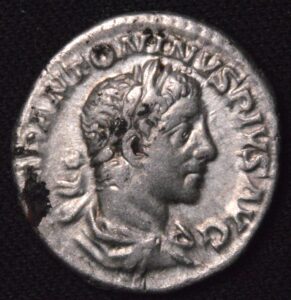
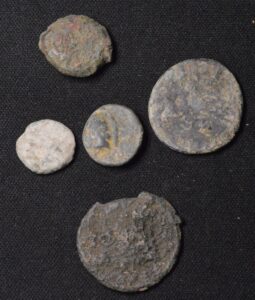
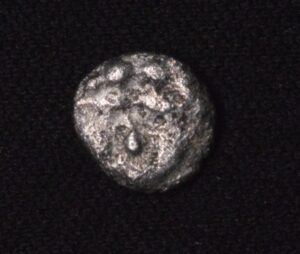
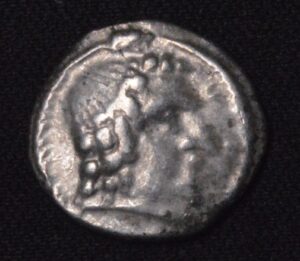
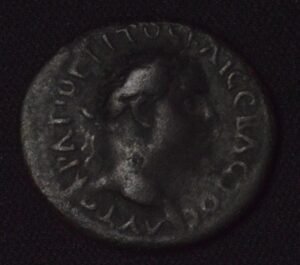
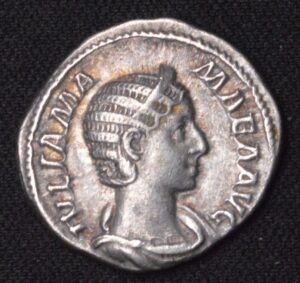
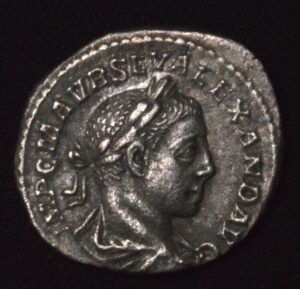
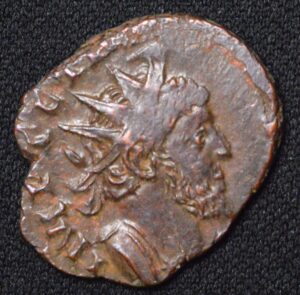
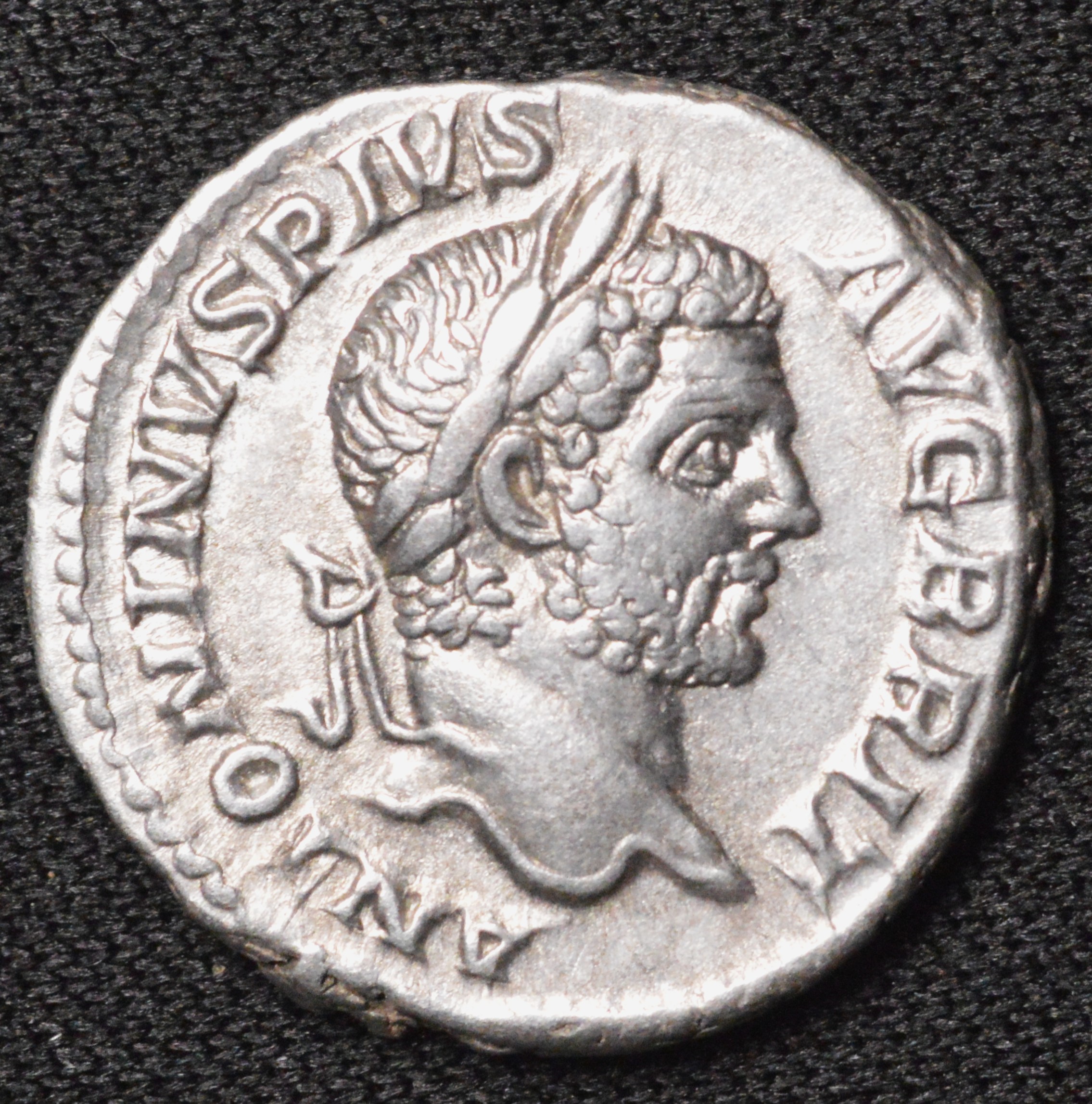
A silver denarius from 209 A.D. featuring Emperor Caracalla is a valuable relic from this period. The coin’s obverse typically showcases a portrait of Caracalla, often depicted with a laurel wreath, symbolizing his imperial authority. The craftsmanship and detail reflect the artistry of Roman minting, emphasizing the emperor’s visage and regal bearing. The silver denarius was a standard coin used for everyday transactions and served as a symbol of imperial power and stability.
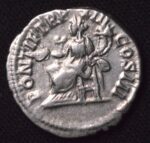
The reverse of this coin often features symbolic imagery, and in the case of the 209 A.D. silver denarius, it carries the depiction of Concordia. Concordia represented harmony and unity within the Roman state, a common theme on imperial coinage intended to promote stability and loyalty among the populace. The image may include figures of seated or standing personifications of Concordia, sometimes holding objects like cornucopias or scepters, emphasizing prosperity and order.
The silver denarius from Caracalla’s era holds significant historical value, offering insights into the political messaging and propaganda of the time. Coins like this served not only as currency but also as tools to communicate the emperor’s virtues and achievements. The depiction of Concordia on the reverse was a deliberate message, aiming to reinforce the emperor’s role in maintaining peace and unity across the vast Roman Empire.
Collectors and historians highly regard such coins for their artistry, historical context, and rarity. A well-preserved example can provide a tangible connection to the tumultuous yet fascinating period of Caracalla’s rule. As an artifact, this silver denarius encapsulates the complexity of Roman imperial imagery and the enduring legacy of one of Rome’s most notable emperors.