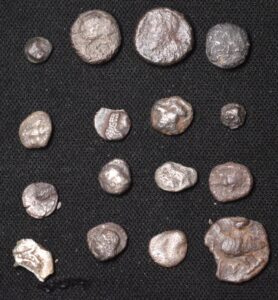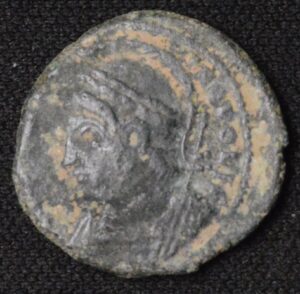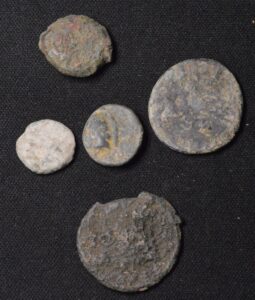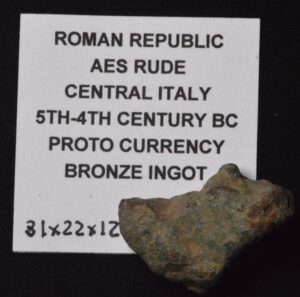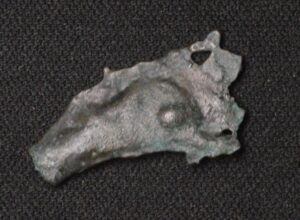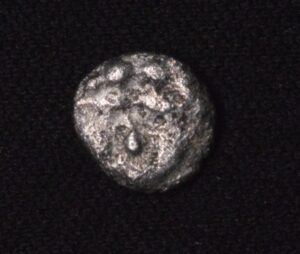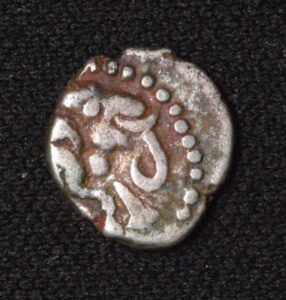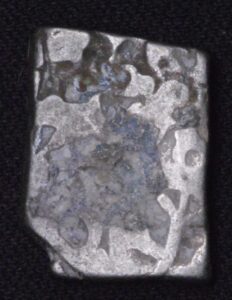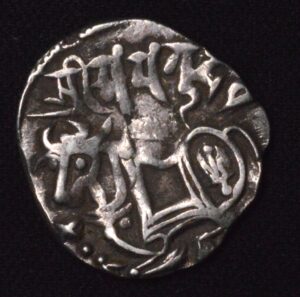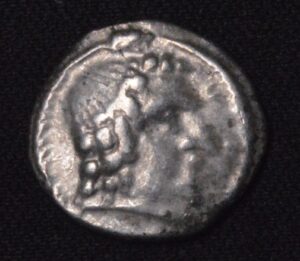
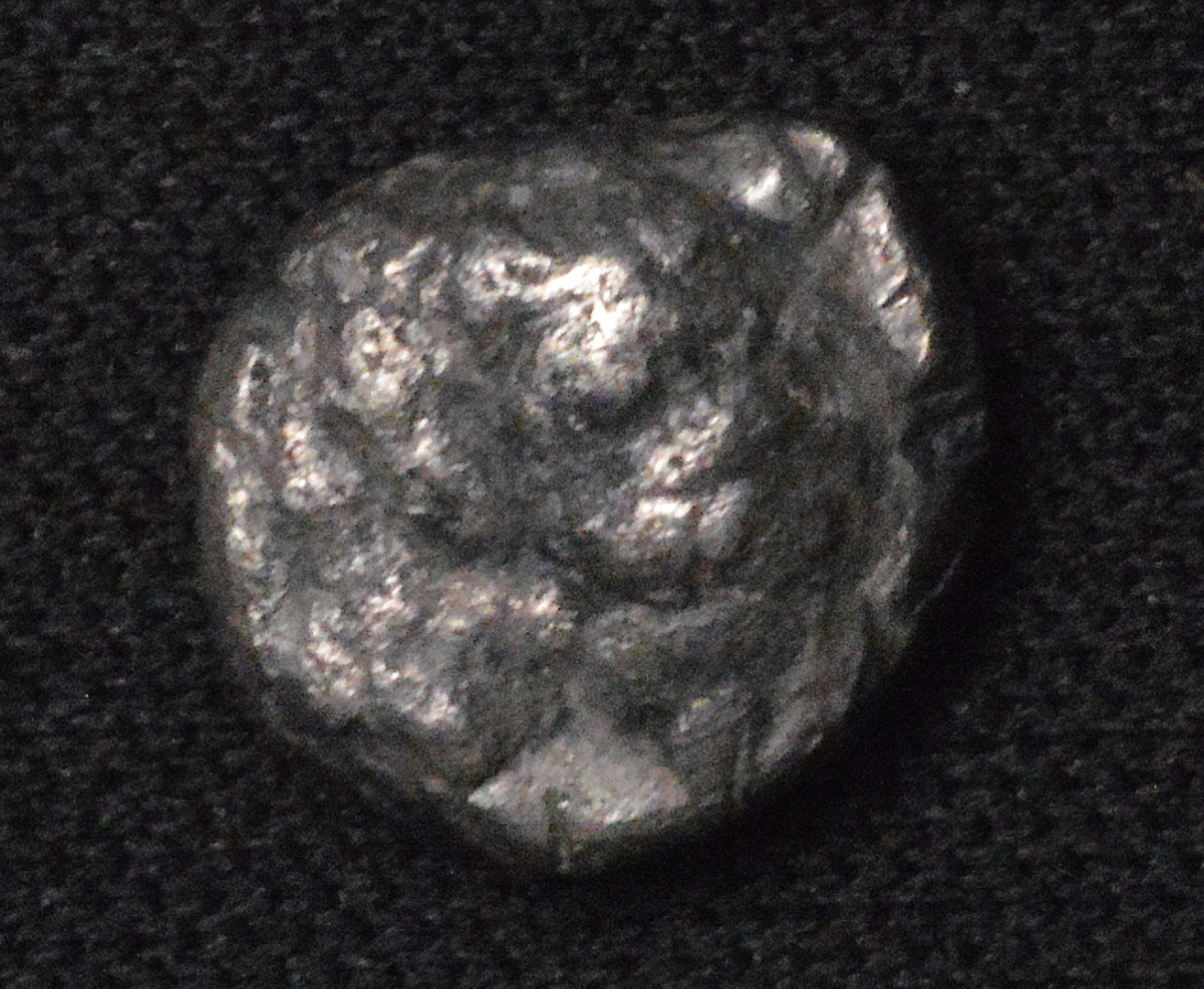
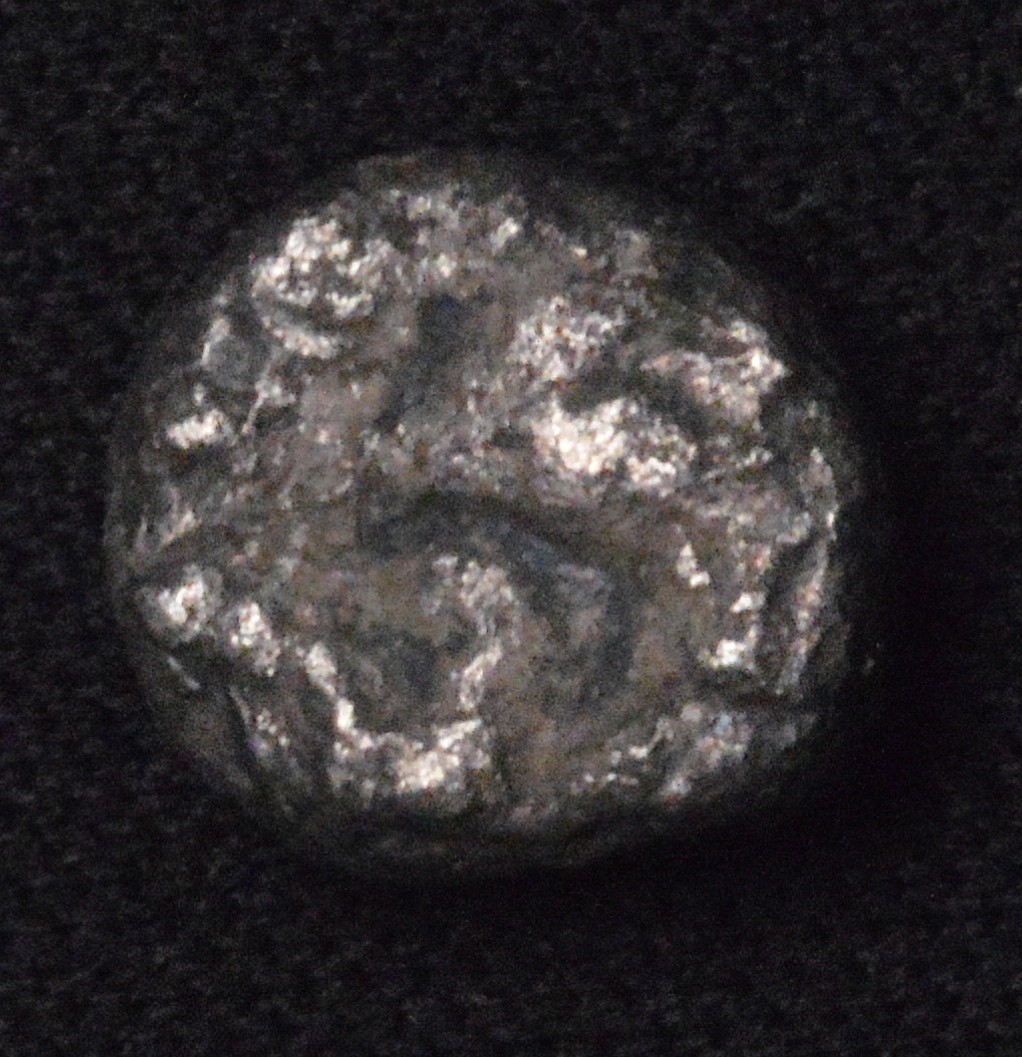
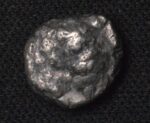
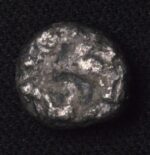
The Asia Minor uncertain mint 4th century BC diobol is an intriguing piece of ancient Greek coinage that reflects the vibrant monetary practices of the region during this period. As a small silver denomination, the diobol was widely used in daily transactions and trade throughout the Greek city-states of Asia Minor. Due to the uncertain mint, its exact city of origin remains unidentified, but the coin is characteristic of the diverse and dynamic numismatic landscape of the region in the 4th century BC.
Coins from this period often feature simple yet symbolic designs, typically emphasizing geometric patterns, local symbols, or deities. The diobol’s design might include abstract motifs or stylized figures, serving both as a mark of authenticity and as a reflection of local artistic conventions. Despite the lack of specific mint attribution, these coins are valuable for understanding the monetary system and regional identities that flourished in Asia Minor after the decline of the Persian Empire and during the rise of Greek city-states.
The 4th century BC was a time of significant political and cultural change in Asia Minor, with numerous city-states and leagues vying for influence. Coins like this diobol played a role in facilitating trade and asserting local identity. The absence of a clearly identified mint adds to the coin’s rarity and appeal, as it invites further scholarly research into the diverse mints operating in the region during this tumultuous period.
The small size and silver content of the diobol make it practical for everyday use, and its design, though often simple, holds symbolic significance that can relate to local religious practices, civic pride, or regional symbols. Collectors value these coins for their historical context, artistic style, and the mystery surrounding their origin, which sparks interest in the broader monetary history of Asia Minor during the classical and early Hellenistic periods.
In summary, this uncertain-mint 4th century BC diobol from Asia Minor exemplifies the rich and complex numismatic landscape of ancient Greece’s eastern provinces. Its modest design and elusive origin make it a fascinating artifact for collectors, historians, and numismatists seeking to explore the economic and cultural diversity of the region during a pivotal era in Greek history.