$490.00

1 in stock

Description

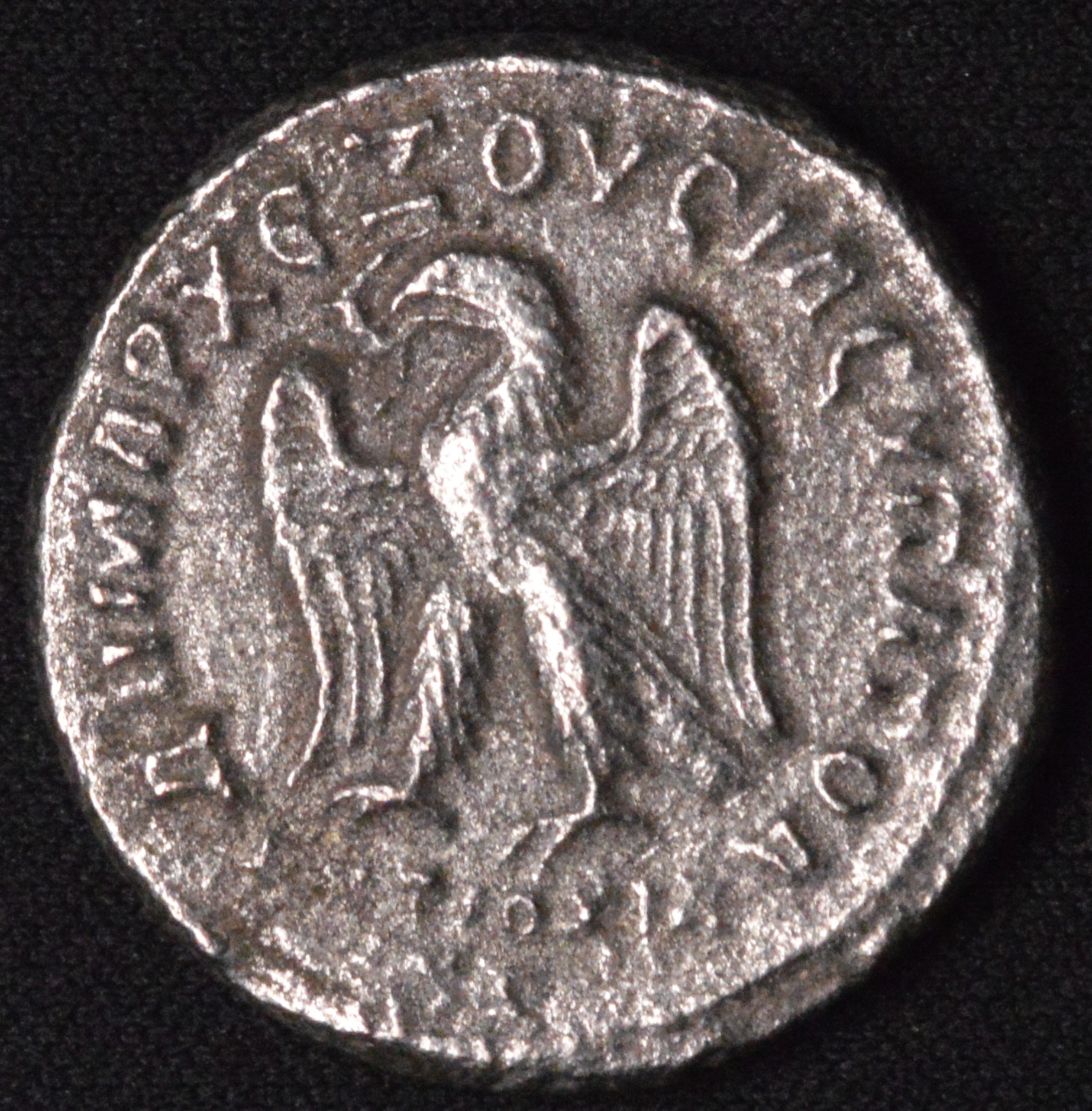
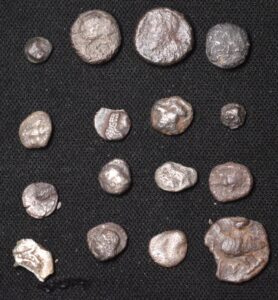
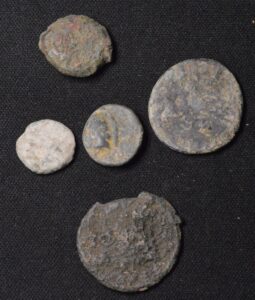
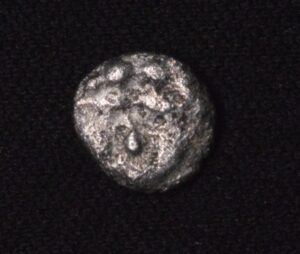
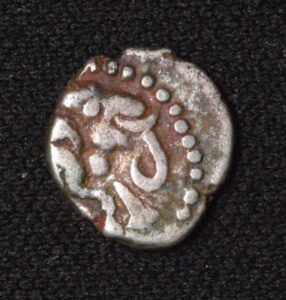
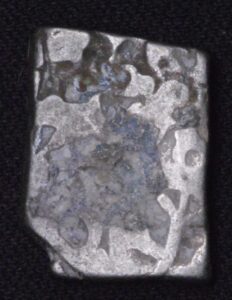
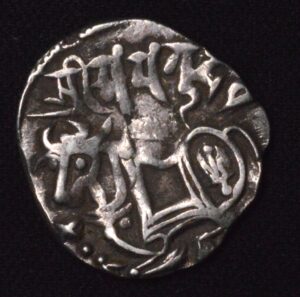
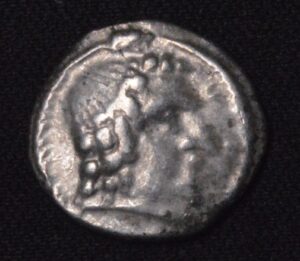
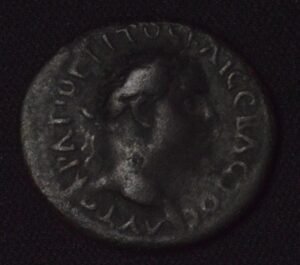
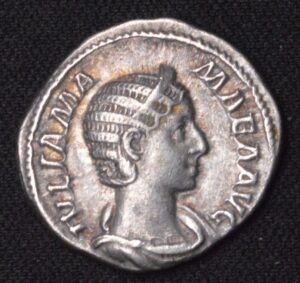
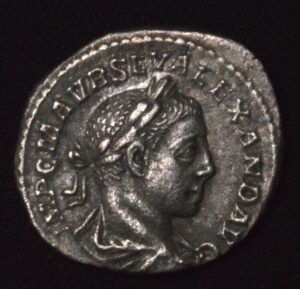
The Philip the Arab silver tetradrachm coin is an important artifact from the ancient Roman period, reflecting the reign of Emperor Philip the Arab who ruled from 244 to 249 AD. This coin is crafted from high-quality silver and was used as a standard monetary unit during his reign, emphasizing the economic stability and political authority of the emperor. The tetradrachm denomination was widely circulated across the Roman Empire, making it a common and recognizable form of currency for trade and daily transactions.

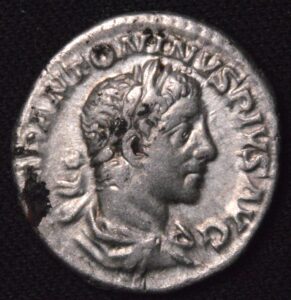
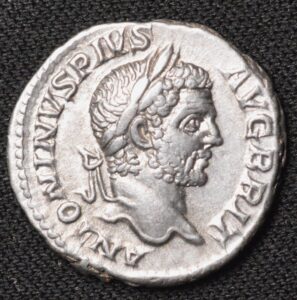
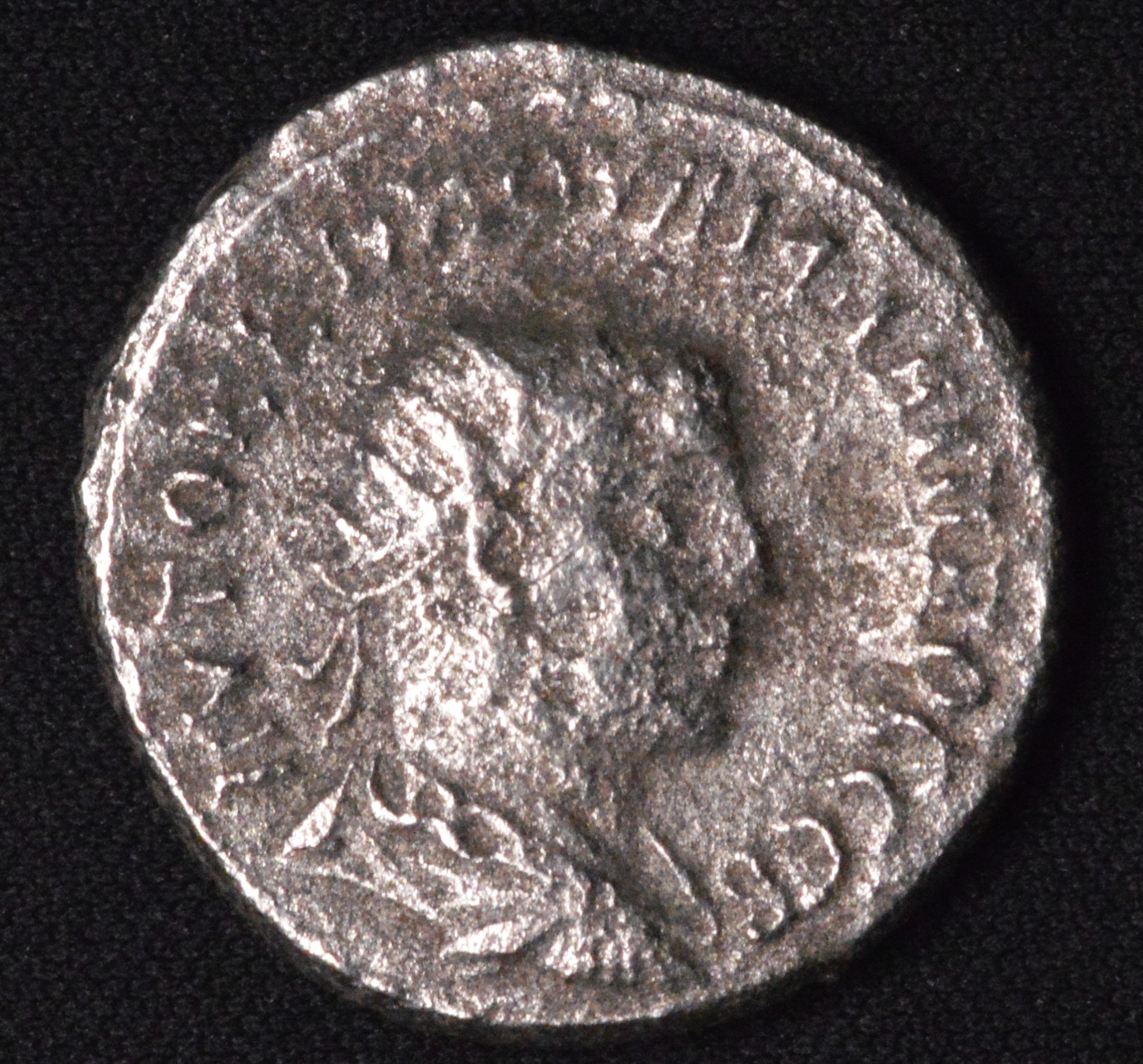
On the obverse side of the coin, Philip the Arab is typically depicted wearing a radiate crown, symbolizing his status and divine favor. The detailed portrait showcases the emperor’s facial features and regal bearing, conveying authority and legitimacy. The craftsmanship highlights the skill of Roman engravers, who were able to produce realistic and detailed images that served both as a political statement and a means of propaganda. The inscriptions surrounding the portrait often include the emperor’s name and title, further reinforcing his legitimacy.

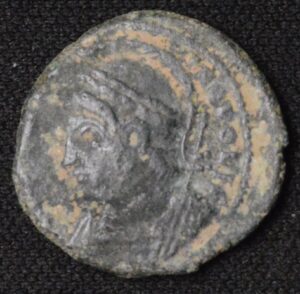
The reverse side of the tetradrachm usually features a variety of symbolic imagery, such as deities, emblems, or representations of Roman virtues. Common motifs include depictions of gods like Sol or Mars, or symbols associated with imperial power and prosperity. The inscriptions on this side often celebrate the emperor’s achievements or divine favor, emphasizing his role as a protector and leader of the Roman world. The combination of imagery and inscriptions provides insight into the political messaging and cultural values of the period.

The silver tetradrachm of Philip the Arab is a valuable piece for collectors and historians because it offers a glimpse into the monetary system and imperial iconography of the mid-3rd century Roman Empire. Its silver content and detailed imagery reflect the artistic standards and technological capabilities of Roman minting processes. As a durable and recognizable coin, it played a significant role in facilitating commerce and reinforcing the emperor’s image across the empire.

Overall, the Philip the Arab silver tetradrachm is a remarkable example of Roman numismatic art and political symbolism. It encapsulates the authority of one of Rome’s less well-known emperors while illustrating the sophistication of Roman coinage. For those interested in ancient history, this coin serves as a tangible connection to the complexities of Roman imperial power, economic practices, and artistic achievement during a pivotal period in Roman history.

The Philip the Arab silver tetradrachm coin is an important artifact from the ancient Roman period, reflecting the reign of Emperor Philip the Arab who ruled from 244 to 249 AD. This coin is crafted from high-quality silver and was used as a standard monetary unit during his reign, emphasizing the economic stability and political authority of the emperor. The tetradrachm denomination was widely circulated across the Roman Empire, making it a common and recognizable form of currency for trade and daily transactions. On the obverse side of the coin, Philip the Arab is typically depicted wearing a radiate crown, symbolizing his status and divine favor. The detailed portrait showcases the emperor’s facial features and regal bearing, conveying authority and legitimacy. The craftsmanship highlights the skill of Roman engravers, who were able to produce realistic and detailed images that served both as a political statement and a means of propaganda. The inscriptions surrounding the portrait often include the emperor’s name and title, further reinforcing his legitimacy. The reverse side of the tetradrachm usually features a variety of symbolic imagery, such as deities, emblems, or representations of Roman virtues. Common motifs include depictions of gods like Sol or Mars, or symbols associated with imperial power and prosperity. The inscriptions on this side often celebrate the emperor’s achievements or divine favor, emphasizing his role as a protector and leader of the Roman world. The combination of imagery and inscriptions provides insight into the political messaging and cultural values of the period. The silver tetradrachm of Philip the Arab is a valuable piece for collectors and historians because it offers a glimpse into the monetary system and imperial iconography of the mid-3rd century Roman Empire. Its silver content and detailed imagery reflect the artistic standards and technological capabilities of Roman minting processes. As a durable and recognizable coin, it played a significant role in facilitating commerce and reinforcing the emperor’s image across the empire. Overall, the Philip the Arab silver tetradrachm is a remarkable example of Roman numismatic art and political symbolism. It encapsulates the authority of one of Rome’s less well-known emperors while illustrating the sophistication of Roman coinage. For those interested in ancient history, this coin serves as a tangible connection to the complexities of Roman imperial power, economic practices, and artistic achievement during a pivotal period in Roman history.
CUSTOMER FEEDBACK

Set your categories menu in Header builder -> Mobile -> Mobile menu element -> Show/Hide -> Choose menu
Create your first navigation menu here
Shopping cart
Start typing to see posts you are looking for.

OFFER A PRICE

Send Your Offer Below! Scroll the photo right to left for a closer look.

Philip The Arab Silver Tetradrachm Coin Ancient Roman Silver!